At the office of Schneider Family & Cosmetic Dentistry, our approach to restorative care balances reliable clinical techniques with an eye for natural-looking results. We invest in modern dental materials and digital workflows so that each crown we place feels comfortable, functions well, and blends in with the rest of your smile.
Teeth are remarkably strong, but years of decay, accidental injury, or wear from grinding can leave a tooth compromised beyond what a simple filling can reliably repair. In those cases, a full-coverage restoration — a crown — is often the best way to restore strength, protect the remaining tooth structure, and return normal chewing function.
Recent improvements in ceramic materials have made all-ceramic crowns an excellent choice for many patients. These restorations are metal-free, highly biocompatible, and designed to mimic the translucency and texture of natural enamel while offering the durability needed for everyday use.
Every treatment plan at our Mooresville office is tailored to the individual patient. We take the time to evaluate both functional needs and aesthetic goals so the final restoration meets expectations for comfort, longevity, and appearance.
Deciding whether a crown is the right solution begins with a thorough clinical exam and clear conversation about your concerns. If a tooth has lost most of its outer structure, a filling may not be able to restore proper shape and strength. A crown covers the entire visible portion of the tooth and redistributes biting forces to protect what remains.
Crowns are commonly recommended after trauma that fractures a tooth, when a large filling has failed, or following root canal therapy that leaves a tooth more brittle. They’re also a preferred restorative option when a tooth will need long-term protection from repeated stress.
Beyond protecting structure, crowns can address functional problems — for instance, when a tooth’s shape or size interferes with your bite — and important aesthetic concerns such as severe staining or misshapen teeth that don’t respond to whitening or veneers.
Below are typical situations where a crown often provides the best outcome:
Repairing a tooth with extensive decay or damage that compromises structural integrity
Replacing a large or fractured filling that no longer supports the tooth
Restoring a dental implant with a single-tooth crown to recreate natural form and function
Serving as the supporting restorations (abutments) for a traditional dental bridge
Protecting and reinforcing a tooth after root canal treatment
Improving the appearance of a tooth that is undersized, discolored, or oddly shaped
Addressing bite relationships that contribute to wear or uneven function

All-ceramic crowns have come a long way. Unlike older restorations that relied on visible metal frameworks, contemporary ceramics can deliver excellent strength while reproducing the subtle color shifts and light transmission of natural enamel. That makes them a strong choice when aesthetics matter, such as on front teeth.
Ceramic materials are also gentle on the surrounding soft tissues. Because they are metal-free, they eliminate the risk of a dark line appearing at the gum margin — a common cosmetic issue with some metal-based crowns — and they are a good option for patients with sensitivities to certain metals.
In addition to aesthetics and tissue compatibility, many ceramic systems are engineered for durability. Depending on the material selected, an all-ceramic crown can withstand the forces of chewing and provide reliable service for years with proper oral hygiene and routine dental care.
Here are some of the practical benefits that lead us to recommend ceramic crowns for appropriate cases:
Natural appearance: ceramics can reproduce the translucency and sheen of real teeth
Conservative preparation: some ceramic systems allow for thinner restorations and preserve more natural tooth structure
Lighter weight and excellent biocompatibility compared with restorations that contain metal
Improved soft-tissue response and reduced risk of gum discoloration at the margin
Resistance to staining, helping crowns maintain their appearance over time
Metal-free composition, which removes concerns about metal allergies or aesthetic compromises
Seamless integration with adjacent teeth—no visible metal margin at the gumline
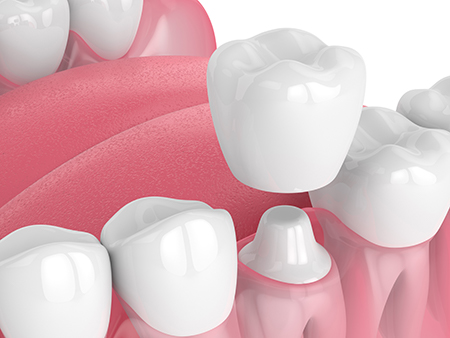
Not every ceramic material is the same, and the ideal choice depends on the tooth’s location, the forces it must withstand, and the look you want to achieve. Back teeth typically require materials with higher strength, while front teeth demand the greatest attention to translucency and shade matching.
When we recommend a specific ceramic, we consider how it will blend with surrounding teeth, how much natural tooth remains, and whether the restoration needs to be layered or monolithic. Layered ceramics can produce remarkable lifelike effects for high-aesthetic cases, while monolithic ceramics are often the most durable option for molars.
Our laboratory partners and in-office milling technology allow us to work with several advanced ceramic systems, selecting the one that best balances strength and appearance for each patient’s situation.
Common ceramic options we evaluate for crown cases include:
Lithium Disilicate Porcelain Crowns
Leucite Reinforced Pressable Porcelain Crowns
Solid or Monolithic Zirconia
High Translucent Zirconia.

The crown process typically follows a predictable sequence: diagnosis and planning, preparation of the tooth, fabrication of the restoration, and final cementation. We begin with a comprehensive assessment and digital imaging when needed so your treatment plan is informed by both function and aesthetics.
To prepare for a crown, the dentist reshapes the tooth to create a stable platform. For many patients, a high-quality temporary restoration is placed while the final crown is fabricated. With in-office milling (when appropriate) or a trusted dental laboratory, the final ceramic crown is crafted to match your bite and color.
At the placement visit, we check fit, contours, and shade before permanently bonding the crown. After cementation, we confirm your bite is comfortable and provide guidance on caring for the restoration, including recommendations for maintenance and ongoing checkups to monitor its condition.
Most patients adjust quickly and find that a properly designed crown restores natural function and confidence when eating and speaking.
Our practice combines technical expertise with a personalized approach. We prioritize durable outcomes that look natural and feel comfortable. From diagnostic planning to final placement, our team strives to deliver restorations that meet both functional demands and cosmetic expectations.
We use contemporary ceramics and digital tools to streamline restorative care while paying close attention to details like margin fit, occlusion, and shade integration. Those elements help crowns last longer and sit more naturally in the mouth.
Whether you need a single crown to protect a weakened tooth or multiple restorations as part of a broader plan, we evaluate all options and explain why a particular material or technique is the best choice for your situation.
If you’d like to learn more about ceramic crowns and whether they’re appropriate for your smile, please contact us for more information.


A ceramic crown is a full-coverage dental restoration made entirely from advanced ceramic materials that replaces missing or damaged tooth structure. These crowns are designed to reproduce the color, translucency and surface texture of natural enamel while providing strength for everyday chewing. Because they contain no metal, ceramic crowns offer a highly esthetic solution for visible teeth and a biocompatible option for many patients.
Clinically, a crown protects the remaining tooth after substantial decay, fracture or when a large filling is no longer stable. It restores proper form and function so you can bite and chew comfortably and prevents further breakdown of the tooth. Modern ceramic systems balance durability with a lifelike appearance, making them suitable for both front and back teeth when selected appropriately.
Determining whether a crown is necessary begins with a thorough clinical exam and diagnostic imaging to assess the extent of tooth damage. Crowns are often recommended when a tooth has lost most of its outer structure, after root canal therapy, or when a large filling has failed. They are also considered for teeth that are fractured, severely worn from grinding, or when shape and size interfere with your bite.
During the consultation, we evaluate how much natural tooth remains, the health of surrounding tissues and how the proposed restoration will integrate with adjacent teeth. Digital impressions and bite analysis help ensure the chosen material and design will provide a comfortable fit and long-term performance. If a crown is recommended, the team will explain the expected steps, timeline and what to expect during treatment.
Ceramic crowns differ from traditional metal-based crowns primarily in composition and appearance: they are metal-free and engineered to mimic natural enamel. Their translucency and color-matching capabilities make them especially suitable for front teeth where esthetics matter most. Because there is no metal substructure, ceramic crowns avoid the gray or dark line at the gum margin that can occur with some metal-based restorations.
From a biological standpoint, ceramic materials are generally well tolerated by soft tissues and reduce concerns about metal sensitivities. Historically, metal-based crowns offered exceptional strength, but many modern ceramics now deliver comparable durability for a wide range of clinical situations. Your dentist will recommend the material that best balances strength and esthetics for each specific tooth.
Common ceramic materials for crowns include lithium disilicate, leucite-reinforced porcelains, and various forms of zirconia ranging from monolithic to high-translucent formulations. Lithium disilicate is prized for its combination of strength and lifelike translucency, making it a frequent choice for anterior and some posterior restorations. Leucite-reinforced porcelains are valued for superior esthetics in select cases with minimal tooth preparation. Solid or monolithic zirconia offers high strength and wear resistance for molars and areas with heavy biting forces.
High-translucent zirconia and layered ceramic techniques are available when greater esthetic sophistication is required on visible teeth. The choice between monolithic and layered restorations reflects a tradeoff between maximum strength and the most natural-looking surface characterization. Your dental team will review the options and select the ceramic that best matches the tooth's position, function and aesthetic needs.
The treatment process for a ceramic crown typically starts with diagnosis, digital imaging and treatment planning to establish goals for function and shade matching. At the preparation visit the tooth is reshaped to create a stable platform and a high-quality temporary crown is often placed to protect the tooth while the final restoration is made. Digital impressions or conventional impressions are then used to fabricate the crown either through in-office milling or by a trusted dental laboratory. Throughout the process the team assesses occlusion and tooth contours to ensure the final result will integrate smoothly with your bite.
At the placement appointment your dentist will verify fit, contacts and shade before permanently bonding the crown with appropriate adhesive materials. After cementation you will receive guidance on eating, oral hygiene and any needed adjustments to your bite. Follow-up visits allow the office to monitor the restoration and address any concerns to optimize long-term success.
Caring for a ceramic crown includes the same daily habits that protect natural teeth: brush twice daily with a soft-bristled brush and fluoride toothpaste and clean between teeth once a day with floss or interdental cleaners. Maintaining excellent oral hygiene reduces the risk of decay at the crown margin and helps preserve the supporting tooth structure and gums. Avoid using your teeth to open packages or bite into very hard objects, which can place excessive stress on any restoration. If you have a history of clenching or grinding, discuss protective options with your dentist to prevent premature wear.
Routine dental checkups and professional cleanings allow the team to evaluate the crown's condition and the health of the underlying tooth. If small adjustments are needed for comfort or function, these can be made chairside during a regular visit. Promptly report persistent sensitivity, looseness or changes in bite so any concerns can be addressed before they worsen.
Ceramic crowns are commonly used to restore single-tooth dental implants and to serve as abutments for fixed dental bridges when appropriate. When restoring an implant, the crown is attached to a customized abutment that provides the correct emergence profile and support. For bridges, ceramic crowns on adjacent teeth can be designed to support missing teeth while maintaining a natural-looking appearance.
Treatment planning for implant or bridge restorations includes evaluation of occlusion, implant position and soft-tissue contours to ensure predictable results. Digital workflows, including scanning and computer-aided design, improve accuracy and help the laboratory or in-office milling system produce restorations that fit precisely. The dental team will select materials and designs that balance esthetic demands with the mechanical needs of the restoration.
Many ceramic crowns are an excellent choice for patients with metal sensitivities because they eliminate metal components from the visible restoration. Ceramics such as zirconia and lithium disilicate are known for favorable biocompatibility with surrounding gum tissue. This reduces the risk of adverse reactions and offers a more natural aesthetic at the gumline.
If you have a documented metal allergy or a specific medical concern, the dentist will review your history and select materials accordingly to minimize risk. Soft-tissue response and margin aesthetics are important considerations when tailoring a treatment plan for sensitive patients. Open communication about medical background helps the team recommend the safest, most comfortable restorative option.
Modern ceramic crowns are durable and, with proper care, can provide many years of reliable service. Longevity depends on factors such as the chosen material, the precision of fit, the health of surrounding tissues and how forces are distributed during chewing. Crowns on molars face higher loads and are therefore often made from stronger ceramic formulations to withstand wear.
Other influences on lifespan include bite habits like bruxism, quality of oral hygiene, and timely professional maintenance to address minor issues early. A well-executed margin and occlusion reduce the risk of recurrent decay or fracture. If a crown becomes loose, cracked or causes persistent discomfort, prompt evaluation can often preserve the underlying tooth and surrounding structures.
The office of Schneider Family & Cosmetic Dentistry combines clinical expertise, modern ceramic materials and digital workflows to deliver individualized crown restorations tailored to each patient's needs. We evaluate functional demands, tooth anatomy and aesthetic goals to select the ceramic system that best balances strength and appearance. In-office milling and trusted laboratory partnerships allow us to produce precise restorations with meticulous attention to margin fit and shade integration. Our approach emphasizes predictable outcomes and clear communication throughout the treatment process.
Patients can expect a thorough consultation, careful preparation and coordinated follow-up to monitor the crown and surrounding tissues. Education on home care and protective measures is part of our standard protocol to help restorations last longer and look natural. If you would like to discuss ceramic crowns for your smile, our Mooresville team will review your options and answer questions about treatment steps.

Ready to schedule your next dental appointment or have questions about our services?
Contacting Schneider Family & Cosmetic Dentistry is easy! Our friendly staff is available to assist you with scheduling appointments, answering inquiries about treatment options, and addressing any concerns you may have. Whether you prefer to give us a call, send us an email, or fill out our convenient online contact form, we're here to help. Don't wait to take the first step towards achieving the smile of your dreams – reach out to us today and discover the difference personalized dental care can make.