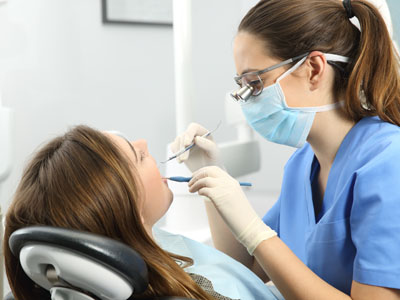
Brushing and flossing lay the foundation for a healthy mouth, but even the most careful home routines can leave behind hardened deposits and bacterial biofilm in areas that are hard to reach. Professional dental cleanings are designed to remove those lingering threats, refresh your smile, and give your dentist an opportunity to catch problems early. Regular maintenance appointments are a simple, proactive step that supports both oral comfort and long-term health.
At-home care is essential, but plaque that remains on teeth can mineralize into tartar, creating a rough surface where bacteria thrive. Unlike soft plaque, tartar cannot be removed with a toothbrush and requires professional instruments. Removing these deposits reduces the bacterial load in your mouth and lowers the chances of cavities and gum inflammation progressing.
Beyond visible buildup, professional cleanings help control the bacterial balance around your gums and teeth. This has implications not only for oral health but for overall wellness; chronic inflammation in the mouth has been linked to systemic conditions. Routine cleanings are a strong preventive measure to reduce that chronic irritant.
Cleanings also provide an opportunity for early detection. During the appointment, clinicians can identify subtle signs of enamel wear, gum recession, or areas that trap food, allowing treatment or behavioral adjustments before small issues become complex procedures.
A typical cleaning begins with an examination, where the hygienist evaluates your oral tissues and checks for signs of inflammation or other concerns. They will then use a combination of instruments—manual scalers and ultrasonic devices—to methodically remove plaque and tartar from tooth surfaces and just below the gumline.
Ultrasonic scalers use gentle vibrations and a water spray to dislodge deposits, while hand instruments allow the hygienist to refine areas that need more delicate attention. The two approaches work together to ensure both efficiency and precision, and your hygienist will choose the best combination for your needs.
After removal of deposits, teeth are polished to smooth the surfaces and remove superficial staining, leaving the mouth feeling clean and refreshed. The appointment usually concludes with a fluoride treatment or targeted recommendations for home care, depending on your oral health status and risk factors.
Some patients experience sensitivity during or after cleanings, especially if they have exposed root surfaces or thinning enamel. Our hygienists take steps to minimize discomfort, including using gentler techniques, applying topical desensitizing agents when appropriate, or altering polishers and pastes to suit sensitive mouths.
For individuals with gingivitis or early periodontal changes, cleanings are tailored to focus on the areas where bacteria have accumulated below the gumline. These appointments may be more frequent or involve deeper scaling to encourage healing and reattachment of gum tissues. The goal is to halt progression and restore a healthier environment for your teeth and gums.
Medical history and lifestyle factors—such as medications, tobacco use, diabetes, and pregnancy—affect oral health and are taken into account during each visit. Personalized care plans help ensure that cleanings are safe and effective for every patient’s unique circumstances.
Advances in dental technology have refined how cleanings are performed. Digital imaging and intraoral cameras allow clinicians to observe hard-to-see areas and document progress over time, while improved scalers and polishers make treatments faster and less invasive than in the past. These tools enable a thorough cleaning with greater comfort for the patient.
In addition to mechanical removal, our team emphasizes preventive adjuncts such as targeted fluoride applications and guidance on products that complement your home routine. Education about brushing technique, interdental cleaning devices, and stain-reduction strategies empowers patients to maintain results between visits.
Staff training and infection-control protocols further ensure that every cleaning is performed safely and to a high standard. Consistent processes and continuing education for the dental team help maintain reliable outcomes and a positive patient experience.
Scheduling regular professional cleanings creates a rhythm of care that preserves tooth structure and gum health. By intercepting plaque buildup, cleanings reduce the likelihood of needing restorative treatments later on and contribute to a brighter, more comfortable smile over time.
Maintenance appointments also reinforce healthy habits. Patients who see their dental team regularly tend to stay more engaged with oral hygiene practices and are more likely to address emerging concerns promptly. This partnership approach between patient and practice is central to long-term success.
Whether you visit twice a year or follow a schedule tailored to a specific condition, consistent professional maintenance remains one of the most effective ways to protect your smile. Our team in Mooresville is committed to helping each patient find the right preventative plan for lasting oral health.
Every dental cleaning is an investment in prevention and peace of mind. If you have questions about what a professional cleaning involves or how often you should schedule an appointment, please contact us for more information and to discuss the best plan for your smile.


Dental cleanings are professional appointments in which a licensed hygienist or dentist removes plaque, tartar and surface stains from teeth to protect oral health. These visits include a thorough evaluation of the gums, teeth and oral tissues so clinicians can identify early signs of decay or gum disease. Cleanings complement daily brushing and flossing by reaching areas and removing hardened deposits that home care cannot address.
The process typically combines mechanical and ultrasonic instruments to break up and remove deposits, followed by polishing and, when appropriate, a preventive fluoride treatment. Cleanings also give dental professionals a chance to document changes in your mouth and recommend personalized home-care strategies. Regular cleanings are a cornerstone of preventive dentistry and help preserve tooth structure and gum health over time.
While daily brushing and flossing are essential, plaque that remains on teeth can mineralize into tartar, creating rough surfaces where bacteria thrive and evade routine home care. Professional cleanings remove this hardened material and reduce the overall bacterial load in the mouth, lowering the risk of cavities and inflammation. Removing deposits below the gumline is particularly important because those areas are difficult to access at home and can contribute to periodontal disease progression.
Beyond mechanical removal of deposits, cleanings allow clinicians to monitor oral tissues for early signs of enamel wear, gum recession or areas that trap food. Addressing these issues early makes restorative treatment simpler and less invasive. Preventive appointments also reinforce good habits and provide targeted recommendations to improve oral hygiene between visits.
For many adults, a routine cleaning every six months is a commonly recommended interval because it balances preventive care with efficient monitoring of oral health. Individual needs vary, however, and frequency can be adjusted based on risk factors such as a history of periodontal disease, systemic health conditions, tobacco use, or a tendency to accumulate heavy tartar. Your dental team will assess your oral health and recommend an interval that best supports long-term maintenance.
If you are a patient in Mooresville, the dental team will review your medical history, current oral status and lifestyle to create a personalized schedule that reduces your risk for decay and gum disease. More frequent visits may be advised to control active inflammation or support healing after periodontal therapy. Consistent appointments help interrupt problems before they demand more complex treatments.
A routine cleaning begins with an examination of the teeth and gums to check for inflammation, pockets, and other areas of concern. The hygienist then uses a combination of ultrasonic scalers and hand instruments to remove plaque and tartar from tooth surfaces and just below the gumline, followed by polishing to smooth the enamel and remove superficial stains. The clinician may finish with a topical fluoride application or other preventive adjuncts tailored to your needs.
Throughout the appointment the hygienist will offer guidance on brushing technique, interdental cleaning and product recommendations to help you maintain results at home. If any areas require further attention, the team documents findings and discusses appropriate next steps. The examination and cleaning together allow for early detection and timely management of emerging dental issues.
Most patients experience only mild discomfort during a routine cleaning, and hygienists use gentle techniques to minimize sensitivity, especially when root surfaces are exposed. Ultrasonic scalers and careful hand instrumentation are selected and adjusted to prioritize patient comfort, and topical desensitizing agents can be applied when needed. If you have heightened sensitivity, communicate this to your clinician so they can modify instruments, polishers or techniques accordingly.
After a cleaning some temporary sensitivity is common, particularly for those with gum recession or enamel thinning, but it typically subsides within a few days. The team can recommend desensitizing toothpaste or in-office treatments if sensitivity persists. Ongoing maintenance and targeted therapies help reduce sensitivity over time while improving gum health.
Dental cleanings remove the plaque and tartar that harbor bacteria responsible for gingivitis and periodontal disease, reducing inflammation and allowing gums to heal. By eliminating bacterial biofilm both above and just below the gumline, cleanings interrupt the cycle of infection that leads to pocket formation and bone loss. Regular maintenance visits also enable early detection of gum changes so clinicians can intervene before disease progresses.
For patients showing early periodontal changes, hygiene appointments may be scheduled more frequently and combined with targeted therapies to control bacterial levels and promote reattachment of gum tissues. Education on effective home care and lifestyle factors is also provided to support long-term periodontal stability. This combined approach helps preserve supporting structures and maintain a healthy foundation for the teeth.
Scaling and root planing is a deeper, more targeted form of cleaning designed for treating periodontal disease by removing plaque and tartar from deep periodontal pockets and smoothing root surfaces. Unlike a routine prophylaxis that focuses on supra- and shallow subgingival deposits, this therapy addresses bacteria and calculus that have accumulated beneath the gumline and may require local anesthesia for patient comfort. The goal is to reduce pocket depths and create a cleaner root surface that supports gum reattachment.
Following scaling and root planing, clinicians often reassess healing and may recommend a series of maintenance cleanings at shorter intervals to prevent recurrence. Adjunctive therapies and improved home care are typically emphasized to sustain results. The distinction between routine cleanings and periodontal therapy is based on the depth of treatment needed to manage disease effectively.
Dental cleanings are generally safe and recommended during pregnancy, and routine preventive visits help control inflammation that can affect both maternal oral health and overall well-being. Clinicians will review your medical history and coordinate care with your physician if needed, adjusting treatment timing and techniques according to gestational stage and individual health concerns. Local anesthesia and routine radiographs can be managed safely with proper precautions when clinically necessary.
Patients with chronic medical conditions such as diabetes or those taking certain medications should disclose this information prior to treatment so the dental team can tailor care appropriately. Medical history influences scheduling, infection-control measures and post-care recommendations to ensure safe and effective maintenance. Open communication with your dental provider ensures cleanings are performed with your overall health in mind.
Maintaining the benefits of a professional cleaning relies on consistent daily habits, including brushing twice a day with a fluoride toothpaste and cleaning between teeth once daily with floss, interdental brushes or water flossers. Attention to technique—short, gentle strokes with a soft-bristled brush and thorough interdental cleaning—helps reduce plaque accumulation in critical areas. Your hygienist can demonstrate personalized methods and product recommendations based on your oral anatomy and risk factors.
Diet and lifestyle choices also influence how long a cleaning stays effective; limiting frequent sugary snacks, avoiding tobacco and staying hydrated support oral health. Regularly scheduled dental visits reinforce good habits and allow the team to address any emerging issues quickly. By combining professional care with attentive home maintenance, you can prolong the health and appearance of your smile.
Advances in dental technology have enhanced both the thoroughness and comfort of cleanings, including the use of ultrasonic scalers that combine gentle vibration with water irrigation to dislodge deposits efficiently. Intraoral cameras and digital imaging enable clinicians to visualize and document hard-to-see areas, improving diagnosis and patient education. Newer polishing systems and fine-grit pastes reduce abrasion while effectively removing stains and smoothing enamel.
Staff training and evidence-based infection-control protocols further contribute to a safer, more predictable experience, and targeted preventive adjuncts such as topical fluoride can be applied when indicated. The team at Schneider Family & Cosmetic Dentistry uses modern tools and techniques to tailor care to each patient and to make visits more comfortable and productive. This combination of technology and individualized attention helps achieve lasting oral-health outcomes.

Ready to schedule your next dental appointment or have questions about our services?
Contacting Schneider Family & Cosmetic Dentistry is easy! Our friendly staff is available to assist you with scheduling appointments, answering inquiries about treatment options, and addressing any concerns you may have. Whether you prefer to give us a call, send us an email, or fill out our convenient online contact form, we're here to help. Don't wait to take the first step towards achieving the smile of your dreams – reach out to us today and discover the difference personalized dental care can make.