Advances in dental materials and techniques make replacing missing teeth more natural and reliable than ever. While dental implants and fixed bridgework provide permanent options for many patients, removable dentures continue to be a practical and adaptable solution for restoring a complete, confident smile.
Our team creates dentures from high-quality materials and follows a careful, step-by-step fabrication process to achieve a comfortable fit and a pleasing appearance. Schneider Family & Cosmetic Dentistry combines clinical experience with modern prosthetic methods to help patients speak, chew, and smile with improved ease and confidence.
We focus on individualized care — matching denture design to a patient’s oral health, lifestyle, and appearance goals so they can enjoy long-term function and natural-looking results.
Tooth loss can begin as an isolated problem but often creates a chain reaction that affects chewing, speech, and facial support. Missing teeth change how forces travel through the jaw, which can alter the way remaining teeth wear and shift over time. Addressing tooth loss helps preserve the stability of the bite and protects adjacent teeth from excessive strain.
Beyond function, tooth loss influences facial aesthetics. When teeth and the underlying bone are no longer stimulated, the cheeks and lips can appear sunken and the lower face may look shorter or aged. Replacing missing teeth with well-designed prosthetics restores better facial contours and supports a more youthful, natural profile.
The emotional and social effects of tooth loss are also significant. People often report feeling self-conscious about gaps or changes in speech. By restoring a complete smile, dentures can help reduce anxiety around smiling and eating in public and improve overall quality of life.
Although replacement is beneficial at any time, earlier intervention can prevent progressive changes to the bite and jawbone. Our team evaluates each patient’s oral condition to recommend the timing and type of denture that will best maintain oral health and comfort.

Removable dentures are prosthetic appliances made up of artificial teeth set into a supportive base that rests on the gums. The base is contoured to fit the ridge of the jaw and, in many cases, is shaded to match the natural color of the gum tissue. Dentures recreate the appearance of natural teeth and restore the ability to bite and chew a wider variety of foods.
One of the primary advantages of removable dentures is accessibility for hygiene. They can be taken out for cleaning, making it easier to maintain healthy gums and any remaining natural teeth. This removability also allows patients to sleep without wearing their prosthesis, giving the oral tissues periodic relief.
Removable solutions are flexible by design: they range from partial devices that fill several gaps to full dentures that replace an entire arch. Depending on a patient’s oral health and preferences, removable dentures can be paired with implants or precision attachments to increase retention and stability.
Choosing between full and partial dentures depends on the number and condition of remaining teeth, the health of the gums and bone, and the patient’s functional goals. A comprehensive clinical exam and diagnostic imaging help the dentist determine which solution will deliver a secure fit and natural appearance.
Full (complete) dentures replace all teeth in the upper, lower, or both jaws. Partial dentures bridge smaller gaps and preserve remaining healthy teeth by preventing undesirable shifting. Modern materials and retention methods provide improved comfort and durability compared with older prosthetic approaches.
We evaluate each case to determine whether attachments, implant support, or precision connectors are appropriate. These options can reduce movement, enhance chewing efficiency, and increase confidence when speaking or laughing.
Complete dentures come in several variations to accommodate healing timelines and patient needs. A conventional complete denture is made after the gums and jaw have healed following extractions, which often yields a more predictable fit. Immediate dentures are inserted at the time teeth are removed so the patient never goes without teeth during healing, but they typically require adjustments as tissues remodel.
Immediate Denture
Immediate dentures provide an immediate cosmetic and functional solution following extractions. Because tissue contours change during healing, these prostheses usually need relines or modifications to maintain their fit and comfort.
Overdenture
An overdenture gains added stability by fitting over remaining tooth roots or specially placed abutments. Retaining natural roots beneath an overdenture can help preserve bone and improve the mechanical feel of the prosthesis.
Implant-Supported Dentures
Implant-supported dentures anchor to dental implants placed in the jaw, providing a secure connection that reduces movement and improves bite force. This hybrid approach combines the removability of a denture with the added retention and confidence of implant support.
Partial dentures are crafted to blend with existing teeth while stabilizing the bite. They can be retained by discreet clasps, precision attachments, or flexible frameworks depending on esthetic and functional requirements. Contemporary materials—such as lightweight resins and flexible polymers—offer more comfortable and visually appealing alternatives to traditional metal frameworks.
A thoughtfully designed partial denture not only fills space but helps distribute chewing forces evenly and prevents neighboring teeth from drifting into empty spaces, which protects long-term oral health.
Our practice takes a personalized approach, selecting materials and designs that match the patient’s goals for comfort, durability, and appearance.
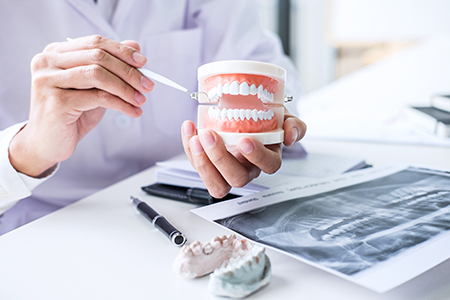
Creating a well-fitting denture requires more than a single impression. We combine careful clinical assessment, diagnostic imaging, and face‑guided esthetic planning to determine tooth position, bite relationships, and lip support. This thorough preparation helps the denture behave predictably during speech and chewing.
Our process includes multiple try-ins and adjustments so we can evaluate how the prosthesis interacts with the soft tissues and how the patient feels when speaking and eating. Selecting the right tooth shade, shape, and arrangement is essential to achieving a natural appearance that harmonizes with the patient’s facial features.
When additional procedures are needed—such as extraction of non-restorable teeth or minor tissue modification—we coordinate the sequence of care to optimize healing and the eventual fit of the denture. For some patients, staged treatment that includes implant placement will provide superior long-term stability.
Throughout planning and fabrication, communication with the patient is prioritized so expectations are clear and outcomes align with their lifestyle and esthetic goals.

Adjusting to a new denture usually takes a few weeks. Early on, you may notice increased saliva production, minor soreness in pressure areas, or changes in speech. These responses are normal and typically improve as oral tissues adapt. Regular follow-up appointments allow us to make targeted adjustments to relieve sore spots and refine the fit.
Eating with dentures is best approached gradually. Begin with soft, easy-to-chew foods and cut items into smaller pieces. Chew on both sides to balance pressure and avoid placing excessive force on one area. Over time, most patients regain confidence and comfortably enjoy a broader range of foods.
Proper denture care preserves both the appliance and the health of the mouth. Rinse and brush dentures after meals, soak them overnight in water or a recommended cleaner, and maintain routine oral hygiene for any remaining natural teeth and soft tissues. Removing dentures at night gives the gums a chance to rest and supports tissue health.
Adjustments and relines
As the jawbone and gums remodel over time, relines or adjustments may be necessary to restore optimal fit and comfort. We monitor changes and recommend corrective procedures when they will improve function and stability.
Follow-up exams
Regular dental exams are important even for denture wearers. These visits let us evaluate the condition of the prosthesis, check underlying tissues, and assess oral health to prevent future problems.
Options for added stability
For patients seeking greater retention, implant attachments or precision connectors can significantly reduce movement and increase chewing efficiency. We’ll explain the clinical considerations so you can choose the most appropriate path forward.
Schneider Family & Cosmetic Dentistry is committed to delivering denture solutions that respect both form and function. If you’re considering dentures or would like to discuss the options that best match your needs, contact us for more information and to schedule a consultation.


Dentures are removable prosthetic appliances that replace missing teeth and the surrounding tissues to restore chewing, speech and appearance. They consist of artificial teeth attached to a base that is contoured to fit the gum ridges and support the lips and cheeks. Modern dentures are made from durable materials designed to mimic natural tooth shape and gum color for a comfortable, natural-looking result.
By rebuilding the biting surfaces, dentures redistribute chewing forces across the jaw and help preserve remaining oral structures. Properly fitting dentures also aid clear speech and provide facial support that can prevent a prematurely aged appearance. Ongoing adjustments and follow-up care help maintain function as oral tissues change over time.
Dental professionals commonly provide full (complete) dentures, partial dentures and implant-supported or implant-retained variations to suit different clinical situations. Full dentures replace all teeth in an arch, partial dentures fill multiple gaps while preserving healthy teeth, and implant-supported options attach to implants or abutments for added stability. The best choice depends on the number of remaining teeth, jawbone health, esthetic goals and the level of retention the patient desires.
A careful clinical exam and diagnostic imaging are used to evaluate oral conditions and recommend the most appropriate prosthesis. For patients who want greater stability, implant-retained solutions such as overdentures or fixed hybrid prostheses can significantly reduce movement and improve chewing power. Your dentist will explain the advantages and limitations of each approach so you can decide with confidence.
Creating a well-fitting denture involves a series of planned visits that include clinical evaluation, impressions, esthetic planning and multiple try-ins. The clinician records jaw relationships and facial landmarks to determine proper tooth position, bite and lip support, then performs try-in appointments to test esthetics and function before final fabrication. This staged approach allows adjustments to improve comfort, speech and chewing performance before the prosthesis is completed.
If extractions or other preparatory procedures are required, the care sequence is coordinated to optimize healing and final fit. In some cases an immediate denture is placed at the time of extraction so the patient is never without teeth, though relines or adjustments are commonly needed as tissues remodel. Clear communication between the patient and care team helps set realistic expectations and achieves more predictable outcomes.
Adjusting to new dentures generally takes several weeks as the mouth adapts to the shape and bulk of a prosthesis. Common early responses include increased saliva production, mild soreness in pressure areas and temporary changes in speech, all of which typically diminish as tissues become accustomed to the appliance. Regular follow-up visits allow targeted adjustments to relieve sore spots and refine the fit for greater comfort.
Eating with dentures is best approached gradually by starting with soft foods and cutting items into smaller pieces while chewing evenly on both sides. With practice, most patients regain confidence and expand their diet over time, though some harder or stickier foods may always require caution. Maintaining consistent oral hygiene and nightly removal of the denture supports tissue health during the adaptation period.
Daily care for dentures includes rinsing and brushing the appliance after meals to remove food particles and plaque, and soaking it overnight in water or an appropriate cleaner to maintain shape and hygiene. Brush any remaining natural teeth, gums and tongue to reduce the risk of decay, gum disease and irritation beneath the denture. Avoid using abrasive household cleaners or whitening toothpaste on dentures, as these can damage the surface and reduce longevity.
Regular dental checkups remain important even for denture wearers so a clinician can evaluate the fit of the prosthesis, check underlying tissues and recommend relines or repairs as needed. Promptly report persistent soreness, looseness or changes in bite so issues can be corrected before they cause further problems. Proper maintenance and professional oversight extend both the function and comfort of the restoration.
Relines and repairs are routine maintenance procedures that restore fit and function as the jawbone and gum tissues change over time. A reline recontours the tissue side of the denture to improve adaptation to the oral ridge, while repairs address fractures, tooth replacement or attachment issues. These procedures can often be completed chairside or in a dental laboratory depending on the extent of the work required.
Periodic evaluation helps determine the right timing for relines or repairs so the denture continues to fit securely and minimize tissue irritation. Ignoring looseness or damage can lead to sore spots, difficulty chewing and potential oral health complications. Keeping scheduled follow-up visits ensures problems are resolved quickly and comfortably.
Implant-supported dentures use dental implants or attachments anchored in the jaw to increase retention, stability and chewing efficiency compared with traditional removable dentures. These solutions can be removable overdentures that snap onto implants or fixed hybrid prostheses that are secured to multiple implants, offering greater bite force and reduced movement. Implant support also helps preserve jawbone by transmitting functional forces to the underlying bone, which can slow the bone loss that often follows tooth extraction.
Not all patients are immediate candidates for implant-retained options; treatment planning includes assessment of bone volume, overall health and restorative goals. When clinically appropriate, combining implants with dentures can transform function and confidence, and the dentist will outline the surgical and restorative sequence so patients understand what to expect. Maintenance considerations differ slightly for implant-retained prostheses, so ongoing professional care is important to preserve long-term success.
Partial dentures are designed to replace several missing teeth while preserving remaining natural teeth and supporting a balanced bite. They may use discreet clasps, precision attachments or flexible frameworks to anchor to adjacent teeth and blend with the smile, and contemporary materials such as lightweight resins and flexible polymers improve comfort and esthetics. A well-designed partial also helps prevent neighboring teeth from drifting into empty spaces, which protects long-term oral function.
The selection of clasps, attachments and base materials is individualized based on the patient’s oral anatomy, esthetic preferences and functional needs. Careful planning ensures that chewing forces are distributed evenly and that the prosthesis is stable during speech and eating. Regular monitoring helps determine whether adjustments or upgrades are needed as the mouth changes through time.
The lifespan of a denture varies with material quality, oral anatomy, daily care and how well the prosthesis is maintained, but many dentures provide reliable service for several years before replacement is advisable. Over time, normal bone remodeling and wear of denture teeth can lead to fit changes, reduced chewing efficiency and altered esthetics, so periodic relines or remakes become necessary. Daily hygiene, careful handling and professional maintenance all contribute to extending the functional life of a denture.
Major factors that influence longevity include changes in jawbone volume, oral health conditions, parafunctional habits such as bruxism and the patient’s adherence to follow-up care. When replacement becomes necessary, modern fabrication techniques and materials can create a new prosthesis that reflects current esthetic and functional goals. Keeping routine dental appointments allows the team to monitor performance and recommend timely interventions.
To explore denture options, request a consultation where a clinician will perform a comprehensive oral exam, review medical and dental history and discuss your functional and cosmetic goals. Diagnostic imaging and study models may be used to evaluate bone structure and bite relationships, allowing the team to recommend a personalized treatment plan that aligns with your needs. The consultation provides an opportunity to learn about full, partial and implant-supported solutions and to ask specific questions about the expected sequence of care.
During this visit the dentist will explain the steps involved in fabrication, anticipated adaptation and the timeline for follow-up appointments so you can prepare for each stage. Open communication helps set realistic expectations and ensures outcomes are aligned with your lifestyle and esthetic preferences. If you choose to proceed, the practice coordinates scheduling for any preparatory procedures and fabrication appointments to streamline your care.

Ready to schedule your next dental appointment or have questions about our services?
Contacting Schneider Family & Cosmetic Dentistry is easy! Our friendly staff is available to assist you with scheduling appointments, answering inquiries about treatment options, and addressing any concerns you may have. Whether you prefer to give us a call, send us an email, or fill out our convenient online contact form, we're here to help. Don't wait to take the first step towards achieving the smile of your dreams – reach out to us today and discover the difference personalized dental care can make.