Digital impressions use a small, intraoral scanning wand to capture hundreds of precise images of your teeth and gums. These images are stitched together by specialized software to form a highly accurate three-dimensional model. Unlike traditional putty impressions, the digital approach records fine surface details and soft-tissue relationships in real time, giving the dental team a dependable visual reference for planning restorations and other treatments.
For patients, the difference is immediately noticeable: there’s no bulky tray or impression material in the mouth for minutes at a time. For clinicians, the digital model becomes a versatile tool that can be measured, manipulated, and shared without loss of fidelity. That combination of patient comfort and clinical utility is what makes digital impressions an important part of modern restorative and cosmetic care.
The technology continues to evolve, with scanners becoming faster and software improving the fidelity of captures. This ongoing refinement helps ensure that restorative work — from crowns to bridges and implant restorations — fits better and requires fewer adjustments at try-in.
One of the most immediate benefits patients notice is comfort. Traditional impressions often require holding a filled tray in the mouth while materials set, which can be uncomfortable and trigger gag reflexes for some people. The digital scanner is compact and maneuverable, so scans can be completed quickly without causing the same sensations or anxiety.
Because the scan is captured in a series of images, the clinician can pause, review, and re-scan specific areas without starting the entire process over. This targeted workflow reduces chair time and helps patients feel more confident about the visit. Many patients describe the experience as less invasive and more modern — a welcome change for anyone who has had negative impressions in the past.
Digital impressions also simplify communication. Patients can view the 3D images on-screen during the appointment, which helps them understand recommended treatments and participate more actively in care decisions.
Precision is a primary advantage of digital impressions. The scanners capture minute anatomical features and interocclusal relationships that are essential for well-fitting restorations. When lab technicians or in-office milling systems work from a high-resolution digital file, the resulting crowns, inlays, or bridges are more likely to seat properly and require fewer adjustments.
Accurate digital records reduce the margin for error introduced by material distortion, shipping mishaps, or human interpretation of a physical model. This is particularly important for complex cases such as multi-unit restorations or implant-supported prosthetics, where fit and occlusion are critical to long-term success.
In practice, that precision translates into fewer repeat visits, less time spent adjusting restorations, and a smoother path from diagnosis to final result — benefits that matter to both clinicians and patients.
Digital impression files can be transmitted electronically to dental laboratories, implant manufacturers, and specialty partners within minutes. This eliminates the delays associated with shipping physical impressions and reduces the risk of damage or deformation during transit. Electronic files also allow labs to start designing sooner and to request clarifications quickly, helping move cases forward at an accelerated pace.
Because the digital file can be viewed and evaluated immediately, lab technicians can communicate suggested modifications or confirm parameters before fabrication begins. That two-way collaboration improves predictability and streamlines the production timeline for custom restorations.
The result is a more efficient workflow that often shortens the time between preparation and final placement, benefiting patients who need timely restorative care without multiple prolonged appointments.
Digital impressions are a cornerstone of same-day dentistry. When combined with in-office CAD/CAM milling systems, the scan can be used to design and fabricate ceramic restorations during a single appointment. That capability allows patients to receive a permanent crown or onlay without a temporary restoration or a separate lab visit.
Even when same-day fabrication is not used, the digital model integrates smoothly with other technologies such as cone-beam CT (CBCT) images and digital treatment planning tools. This interoperability supports comprehensive care — for example, coordinating restorative design with implant placement planning to ensure optimal fit and esthetics.
Clinically, integrating digital impressions into the practice’s workflow means fewer steps, clearer communication, and a more predictable patient experience from start to finish.
At Schneider Family & Cosmetic Dentistry we’ve adopted digital impression technology to provide patients with a more comfortable, accurate, and efficient path to restorative and cosmetic care. If you’d like to learn how digital impressions might change your treatment experience, please contact us for more information and to speak with a member of our team.


Digital impressions use a small intraoral scanner to capture hundreds of precise images of your teeth and gums. Specialized software stitches those images into a detailed three-dimensional model that represents tooth anatomy and occlusal relationships. Clinicians can rotate, measure, and examine the model in real time to plan restorations or orthodontic treatment. The resulting digital file replaces the need for physical stone models in many workflows.
Because captures occur in real time, clinicians can identify and re-scan problem areas immediately, improving data quality. The digital file can be stored indefinitely without deterioration and can be electronically shared with labs and specialists. This flexibility supports precise treatment planning and reduces the likelihood of errors introduced by physical impression materials.
Digital impressions eliminate bulky impression trays and setting materials, which many patients find uncomfortable. Instead of waiting for material to set, a clinician moves a compact scanner around the mouth to capture images, often in less time. The digital workflow reduces the risk of distortions that can occur when impression materials shrink or deform. For clinicians, the immediate visual feedback allows for quick corrections and improved predictability.
Traditional impressions also require physical shipping and handling, which can introduce delays and potential damage to the model. Digital files are transmitted instantly and maintain consistent fidelity from capture to fabrication. That difference often translates into fewer try-ins and adjustments when restorations are produced.
Yes — most patients find digital impressions more comfortable than traditional methods because they avoid large impression trays and setting materials. The scanner is compact and can be paused to re-scan specific areas rather than repeating an entire tray. This targeted approach often reduces chair time and anxiety for patients with strong gag reflexes. The scanning process is noninvasive and does not introduce additional materials into the mouth.
From an infection-control standpoint, intraoral scanners are designed to be used according to standard sterilization and barrier protocols, similar to other intraoral instruments. Staff follow manufacturer recommendations for cleaning and barrier protection to prevent cross-contamination. Because the digital process reduces the need for physical impressions and stone models, it can also limit handling steps that have a small risk of contamination. Patients with medical sensitivities should always discuss concerns with the dental team before treatment.
Digital impressions capture minute anatomical details and occlusal relationships that are essential for well-fitting restorations. High-resolution scans provide a consistent, measurable foundation for lab technicians or in-office milling systems to design crowns, bridges, and inlays. Because the file is digital, it avoids distortions associated with impression material setting and model pouring. The result is restorations that more often seat correctly and require fewer adjustments at try-in.
This precision becomes especially valuable in multi-unit cases and implant-supported prosthetics where small discrepancies can affect long-term function. Digital records also support easier verification of margins and contacts during design, reducing the margin for human interpretation error. Ultimately, the improved fit translates into fewer appointments for adjustments and a more predictable treatment timeline. That predictability benefits both clinicians and patients.
Yes — digital impressions are routinely used in implant workflows by capturing scan bodies that register the exact position and orientation of implants. These digital records integrate with CBCT data and implant planning software to coordinate prosthetic design with surgical placement. The combined datasets enable precise communication between the restorative dentist, surgeon, and dental laboratory. This integrated approach helps ensure the final restoration fits accurately and functions as intended.
In implant cases, the ability to electronically send detailed files to implant manufacturers or specialty labs speeds fabrication and allows for virtual verification before manufacturing. Technicians can evaluate implant angulation, emergence profiles, and occlusion within the digital model to anticipate potential issues. While digital workflows have advanced significantly, clinicians still assess soft tissue and bone conditions clinically to determine appropriate prosthetic designs. Collaboration and careful planning remain essential for implant success.
Digital impression files can be transmitted electronically to dental laboratories and partners within minutes, eliminating shipping delays associated with physical impressions. Immediate transfer enables labs to begin design and fabrication sooner and to request clarifications quickly when needed. Electronic files also reduce the risk of damage or distortion that can occur during transport of physical materials. The result is a more efficient case progression from preparation to final restoration.
Because digital models are viewable in real time, lab technicians and clinicians can review and discuss proposed designs before fabrication, which reduces unexpected adjustments at delivery. Digital records can be archived and retrieved easily for future reference or remakes, improving continuity of care. This streamlined collaboration often shortens treatment timelines and enhances predictability for complex cases. Patients benefit from fewer appointments and quicker resolution of restorative needs.
Yes — when paired with in-office CAD/CAM systems, digital impressions enable same-day restoration workflows where a crown, onlay, or veneer can be designed and milled during a single visit. The scan is used to create a digital design, which the milling unit translates into a precisely shaped ceramic or composite restoration. This approach eliminates the need for temporary restorations and a separate lab visit in many cases. Not all clinical situations are suitable for same-day fabrication, so the clinician will determine candidacy based on clinical complexity.
Even when a case requires lab fabrication, the digital impression still streamlines the process by providing high-fidelity data for the laboratory. Integration with treatment planning tools and CBCT imaging supports complex restorative and surgical planning. For patients, this means faster turnaround and fewer adjustments even when a restoration is completed off-site. The team will advise whether same-day treatment is appropriate based on individual needs.
During a digital impression appointment, the clinician or assistant will position a compact scanning wand in the mouth and move it steadily over the teeth and soft tissues while the software captures images. The team may use air or gentle retraction to improve visibility and will pause to re-scan any areas that need more detail. Patients can watch the 3D model form on a screen and ask questions as the scan proceeds. The overall process is typically quicker and less intrusive than traditional impressions.
Once the scan is complete, the clinician will review the model for accuracy and make any necessary adjustments before sending it to the lab or using it for in-office fabrication. If the workflow involves a laboratory, the digital file will be transmitted electronically and the team will discuss the expected treatment timeline and next appointment. If same-day CAD/CAM is used, the design and milling steps follow immediately. Throughout the visit, the dental team will explain each step and answer patient questions to ensure a clear understanding of the plan.
While digital impressions offer many advantages, there are some limitations clinicians consider when planning care. Subgingival margins can be more challenging to capture accurately without proper soft-tissue management, so clinicians may need to use retraction or hemostatic measures to expose margins. Extremely moist or bloody fields can affect scan quality, requiring additional isolation and drying. Severe trismus or very small mouths can limit scanner access and may necessitate alternative impression techniques.
Scanner technology and software continue to improve, narrowing many of these limitations and expanding the range of cases that can be scanned reliably. In some complex situations, clinicians combine digital scans with traditional methods or advanced imaging like CBCT to ensure comprehensive planning. Your dentist will recommend the most appropriate impression method based on clinical factors and treatment goals. The aim is always to balance comfort, accuracy, and long-term success.
Schneider Family & Cosmetic Dentistry in Mooresville uses digital impressions to streamline restorative and cosmetic workflows and to improve patient comfort. We integrate scans with CAD/CAM tools and, when appropriate, with CBCT imaging to coordinate restorative design and implant planning. The digital files are reviewed with patients during the appointment so they can see treatment options and better understand proposed outcomes. Our goal is to reduce chair time and enhance the predictability of final restorations through precise digital records.
Clinicians assess each case individually and will recommend digital scanning, same-day fabrication, or traditional methods based on clinical complexity and patient needs. We follow manufacturer protocols for scanner maintenance and barrier protection to meet strict sterilization standards. If additional imaging or soft-tissue management is required, the team will explain those steps before proceeding. Patients are encouraged to ask questions so the team can tailor care to their expectations and oral health goals.
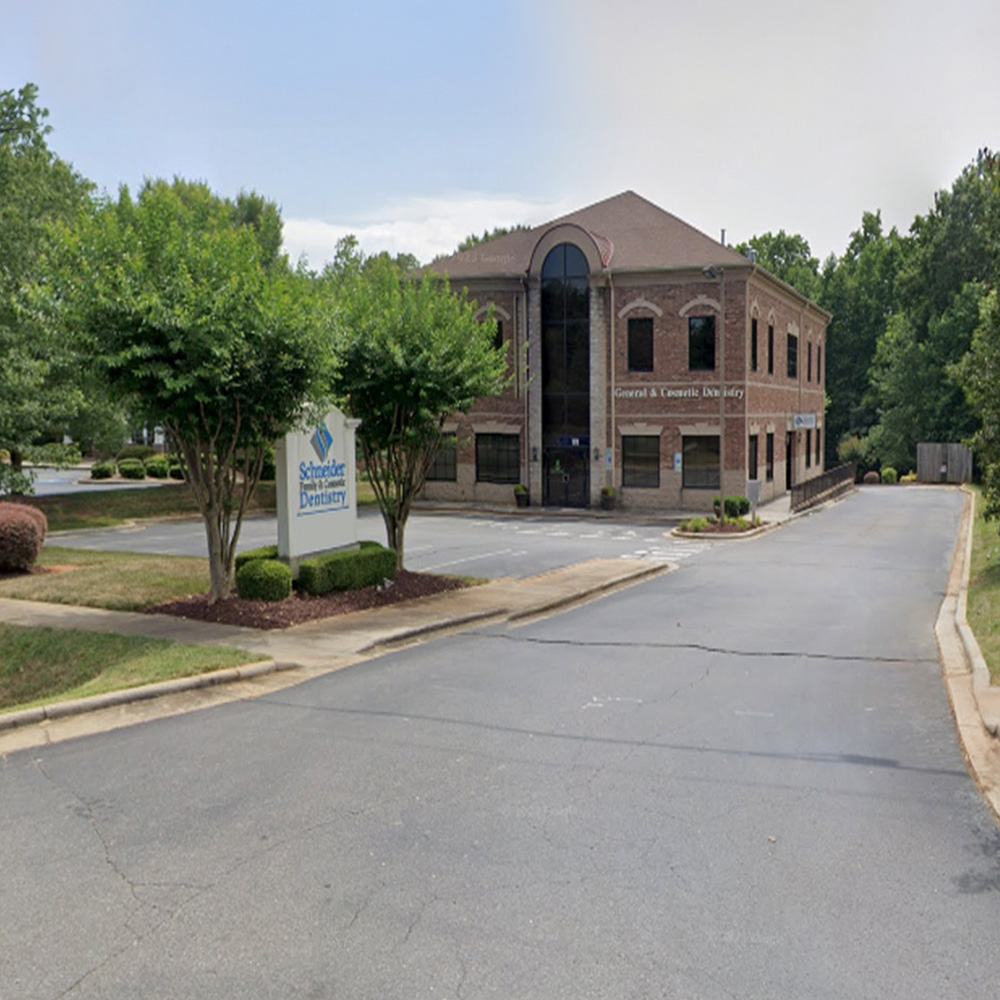
Ready to schedule your next dental appointment or have questions about our services?
Contacting Schneider Family & Cosmetic Dentistry is easy! Our friendly staff is available to assist you with scheduling appointments, answering inquiries about treatment options, and addressing any concerns you may have. Whether you prefer to give us a call, send us an email, or fill out our convenient online contact form, we're here to help. Don't wait to take the first step towards achieving the smile of your dreams – reach out to us today and discover the difference personalized dental care can make.