Sudden dental pain, swelling, or traumatic injury can be frightening and disorienting. Not every toothache is an emergency, but certain signs — intense pain that won’t subside, rapidly increasing swelling, uncontrolled bleeding, or a knocked-out tooth — indicate the need for prompt professional care. These situations can affect not only your oral health but also your general health, so rapid assessment and treatment are important.
Recognizing the difference between urgent and routine issues helps you act quickly and protect your long-term dental health. Symptoms such as fever, difficulty breathing or swallowing, spreading facial swelling, or severe pain that disrupts sleep are red flags. When in doubt, it’s better to seek an evaluation so a trained clinician can determine whether immediate intervention is necessary.
At the office of Schneider Family & Cosmetic Dentistry, our team is experienced in triaging urgent cases and delivering focused care to relieve pain and limit damage. We aim to stabilize each patient, address the underlying cause, and create a clear plan for follow-up care so healing proceeds safely and efficiently.
Dental emergencies come in many forms. Some are caused by trauma — a fall, a sports injury, or an accidental bite — while others arise from infections or progressive decay. Understanding the common categories of urgent problems can make it easier to describe symptoms when you call for an appointment and help clinicians prioritize your care.
Our practice has extensive experience managing acute dental conditions across all age groups. We provide rapid evaluation, pain management, and targeted interventions for both teeth and soft tissues of the mouth. Below is a concise list of the kinds of problems that often require same-day attention:
When you arrive for an emergency visit, our team begins with a focused assessment to identify the source of pain or dysfunction. This typically includes a brief medical and dental history, a clinical exam of the teeth and soft tissues, and imaging when needed. Our office uses modern diagnostic tools such as digital radiography and, when appropriate, CBCT imaging for complex cases to reach a clear diagnosis quickly and safely.
Treatment is tailored to the problem and the patient’s overall health. For many urgent tooth problems, immediate steps include controlling pain and infection, stabilizing loose restorations, and protecting exposed tooth structure. In cases where the tooth’s pulp is affected, root canal therapy is often the best option to preserve the natural tooth. If a tooth cannot be saved, tooth removal may be the safest course, followed by a discussion of restorative solutions to restore function and appearance.
We prioritize conservative care that preserves natural teeth when possible, but we also plan for predictable, long-term outcomes. Our team communicates each step of the process so you understand the diagnosis, the rationale for recommended treatment, and the anticipated follow-up. This approach reduces anxiety and helps patients make informed decisions about their oral health.
While professional care is the definitive treatment for a dental emergency, there are practical measures you can take at home to limit damage and reduce discomfort while you arrange to be seen. Rinsing gently with warm salt water, applying a cold compress to the outside of the cheek to reduce swelling, and avoiding hard or chewy foods can all help until you reach the office.
For a displaced or knocked-out tooth, keep the tooth moist — ideally by placing it back in the socket (if you are able) or storing it in milk or saline — and see a clinician as soon as possible. For a tooth that is chipped or fractured, protect the area with dental wax or sugar-free gum to avoid lacerations of the tongue or cheek, and save any tooth fragments you can find. For bleeding that won’t stop, gentle pressure with clean gauze or a damp tea bag can help control it until you arrive for care.
These steps are meant as temporary measures, not substitutes for professional treatment. Prompt evaluation reduces the risk of infection, limits complications, and often increases the chance of saving a damaged tooth. When you call, describe your symptoms clearly so the team can prioritize your visit and prepare appropriate instruments and materials before you arrive.
After the acute phase is addressed, the focus shifts to repairing the tooth or soft tissue and preventing recurrence. Treatment options vary depending on the severity of the problem: small cavities and minor chips are often restored with fillings or bonding; larger structural damage may require a crown; and advanced infections commonly need root canal therapy followed by restoration. When extraction is necessary, modern tooth replacement options can restore function and appearance reliably.
Dental implants, fixed bridges, and removable prostheses are all viable ways to replace missing teeth, and our practice offers a range of restorative choices tailored to a patient’s oral health and lifestyle. Restoring a tooth promptly after an extraction helps maintain jawbone integrity, facial support, and chewing function. Your provider will review the best options and timing for placement so you can return to normal eating and speaking with confidence.
Prevention is the best strategy moving forward. Regular dental checkups, prompt attention to small problems, protective devices such as sports mouthguards, and addressing bruxism or bite issues reduce the likelihood of future emergencies. If you ever experience a dental emergency, reach out to our team for timely care and clear guidance on next steps. Contact us for more information about emergency treatment and how we can help protect your smile.


A dental emergency involves sudden conditions that threaten teeth, oral tissues, or general health. Common red flags include intense pain that does not subside, rapidly increasing facial swelling, uncontrolled bleeding, difficulty breathing or swallowing, and a knocked-out tooth. These situations require prompt clinical evaluation because they can lead to infection, permanent tooth loss, or systemic complications if left untreated.
Not every toothache is an emergency, but escalating symptoms, fever, or symptoms that disrupt sleep are signals to act quickly. When in doubt, call your dental office to describe symptoms so staff can triage your case and advise whether same-day evaluation is necessary. Timely assessment helps prioritize care and reduces the risk of more extensive treatment later.
Severe tooth pain or noticeable swelling should be evaluated as soon as possible, ideally the same day you notice symptoms. Rapidly increasing swelling can indicate an infection that may spread to deeper tissues or affect breathing, and intense pain often signals nerve involvement or abscess formation. Prompt evaluation allows the clinician to diagnose the source, begin pain control, and start any necessary infection management quickly.
If you experience fever, difficulty breathing, or swallowing along with oral swelling, seek emergency medical attention immediately while notifying your dental office. For severe pain without those systemic signs, contact your dentist to arrange an urgent visit so treatment can begin before the condition worsens. Early intervention improves the chances of saving the tooth and preventing complications.
Act quickly to preserve a knocked-out (avulsed) tooth: find the tooth, handle it by the crown only, and keep the root moist. If possible, rinse the tooth gently with water without scrubbing, then attempt to place it back into the socket with light pressure. If reinsertion is not possible, store the tooth in milk or saline and seek emergency dental care right away, as successful reimplantation is time-sensitive.
Avoid cleaning the socket aggressively and do not wrap the tooth in dry tissue or cloth, which can damage the root surface. Bring the tooth and any fragments with you when you come in so the clinical team can evaluate options for reimplantation or stabilization. The sooner the tooth is treated, the better the prognosis for retention and healing.
Treatment for dental infections focuses on controlling pain, managing spread of infection, and addressing the source. Immediate steps commonly include prescribing antibiotics when indicated, draining an abscess if present, and providing pain relief measures. Definitive treatment often follows once the patient is stable and may include root canal therapy or extraction of the affected tooth to remove the source of infection.
Clinical evaluation typically includes a medical history, exam, and imaging to determine the extent of the infection and any involvement of adjacent structures. Your provider will outline a clear plan for follow-up care and restoration or replacement options if tooth removal is necessary. Close monitoring after initial treatment is important to ensure the infection resolves fully.
Whether a cracked or fractured tooth can be saved depends on the type, location, and extent of the damage. Minor chips and hairline cracks are often restored with bonding or a crown to protect the tooth and restore function. More severe fractures that expose the pulp or extend below the gumline may require root canal therapy or extraction if the tooth cannot be predictably restored.
Emergency care focuses on protecting exposed dentin or nerve tissue, stabilizing fractured segments, and relieving pain to prevent further harm. After the initial visit, your dentist will review treatment options and timelines so you understand the next steps to restore strength and appearance. Preserving natural tooth structure is preferred when it offers a predictable long-term outcome.
Soft-tissue injuries in the mouth should be rinsed gently with warm saline and controlled for bleeding by applying gentle pressure with clean gauze. Small cuts often stop bleeding and begin to heal within a few days, but deeper lacerations, persistent bleeding, or wounds that impair speech or swallowing require prompt evaluation. Your dental team can determine whether sutures or other interventions are needed and can assess the risk of underlying dental or bone injury.
Keep the injured area clean, avoid hard or spicy foods that may irritate the wound, and follow any instructions provided by the clinician regarding oral hygiene and topical care. If you notice increasing pain, swelling, or signs of infection after the injury, contact your dentist for re-evaluation. Early management helps reduce scarring and speeds recovery.
Go to the emergency room for dental issues that involve uncontrolled bleeding, respiratory distress, severe facial trauma, or signs of a spreading, life-threatening infection. Emergency departments are equipped to stabilize airway, breathing, and circulation and to manage severe trauma that involves facial bones or significant soft-tissue injury. If you have difficulty breathing, swelling that affects the throat, or uncontrolled bleeding that will not stop with pressure, seek emergency medical care immediately.
For painful dental problems without airway compromise or uncontrolled bleeding, contact your dental office first so they can triage and arrange urgent dental care. Your dentist can often provide targeted dental treatment more quickly than a general emergency department for non-life-threatening oral problems. When in doubt, if a symptom appears life-threatening, go to the nearest emergency room and notify your dental office as soon as you are able.
An emergency dental visit begins with a focused history and examination to identify the source and severity of the problem. The team will assess medical history, current medications, and symptoms, then perform an oral exam and imaging as needed to reach a diagnosis. Initial care typically addresses pain control, infection management, and stabilization of any damaged teeth or restorations.
After immediate needs are managed, the clinician will explain recommended definitive treatment and the timeline for follow-up, whether that involves root canal therapy, a crown, extraction, or other restorative work. The goal is to relieve symptoms quickly while planning for predictable, long-term oral health outcomes. Staff will also provide written or verbal post-treatment instructions to support safe recovery at home.
You can often reduce pain and control minor bleeding using simple first-aid measures while you arrange to be seen. Rinse gently with warm salt water to cleanse the area, apply a cold compress to the outside of the cheek to reduce swelling, and use clean gauze with gentle pressure to control bleeding. Over-the-counter analgesics can help manage pain, but follow dosing instructions and inform your dental team of any medications you have taken.
For displaced teeth, protect the area with dental wax or sugar-free gum to prevent soft-tissue injury and save any tooth fragments you find. These measures are temporary and intended to limit further damage; professional evaluation and treatment are necessary to address the underlying problem. Call ahead to your dental office so the team can prepare for your arrival and prioritize urgent care.
After emergency care, follow-up focuses on completing definitive treatment and monitoring healing to prevent recurrence. This may include scheduling root canal therapy, placement of a permanent crown, restorative work, or discussion of replacement options if extraction was necessary. Your dentist will provide a clear timeline and instructions for any interim care, medications, and signs that warrant an earlier return visit.
Preventive measures will also be reviewed to reduce future emergencies, such as using a sports mouthguard, addressing bruxism, or repairing weakened restorations. Keeping scheduled follow-up appointments ensures that temporary measures are converted into long-term solutions and that healing is progressing as expected. If new symptoms arise between visits, contact the office promptly for re-evaluation.
At the office of Schneider Family & Cosmetic Dentistry in Mooresville, emergency visits are triaged to provide immediate relief and to plan for definitive restoration or replacement. The initial goal is to stabilize pain and infection and to protect remaining tooth structure, followed by a discussion of the predictable long-term options tailored to the patient's oral health and lifestyle. Diagnostic imaging and a thorough clinical exam during the emergency visit help determine whether the tooth can be saved or if extraction and subsequent replacement are advisable.
Once the acute issue is managed, the team schedules any required follow-up procedures such as root canal therapy, crown placement, implant planning, or prosthetic restorations to restore function and aesthetics. Clear communication about expected timelines, post-op care, and preventive strategies helps patients return to normal activity with confidence and reduces the risk of future emergencies. If concerns develop after initial treatment, contact the office promptly for reassessment.
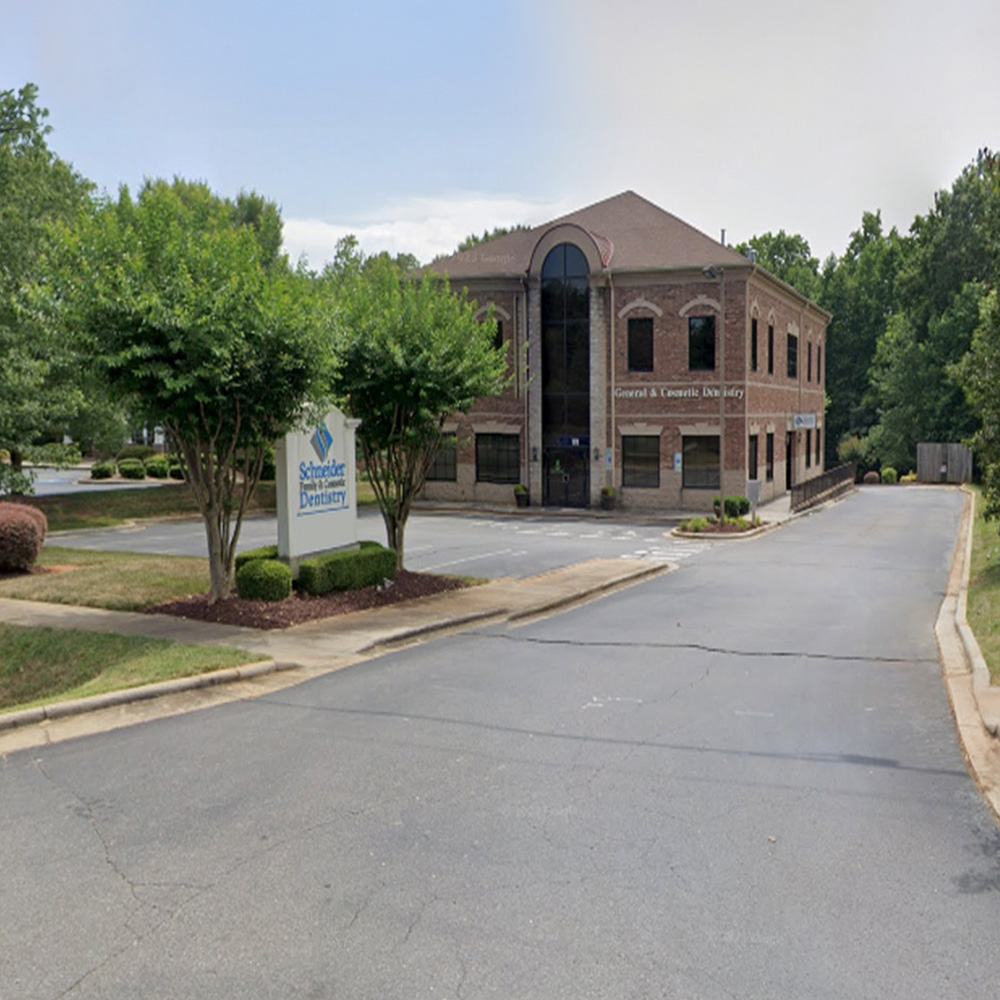
Ready to schedule your next dental appointment or have questions about our services?
Contacting Schneider Family & Cosmetic Dentistry is easy! Our friendly staff is available to assist you with scheduling appointments, answering inquiries about treatment options, and addressing any concerns you may have. Whether you prefer to give us a call, send us an email, or fill out our convenient online contact form, we're here to help. Don't wait to take the first step towards achieving the smile of your dreams – reach out to us today and discover the difference personalized dental care can make.