Deciding that a tooth needs to be removed is never taken lightly. Extractions are recommended only when preserving a tooth would cause ongoing pain, compromise nearby teeth, or put a patient's general health at risk. Our first goal is always to save natural teeth whenever possible, but there are clear situations where removal is the most responsible option to restore comfort and protect long-term oral health.
At the office of Schneider Family & Cosmetic Dentistry, we focus on clear communication and careful planning so patients understand why an extraction is being considered and what to expect next. We balance conservative treatment with clinical judgment to ensure each decision supports a strong, healthy smile in the years ahead. Patients receive a thoughtful explanation of their condition, alternatives to extraction (when available), and the possible outcomes of each approach.
Extractions can resolve immediate problems—like infection or persistent pain—and they can also prevent future complications such as shifting teeth, bite problems, or damage to adjacent teeth. Every recommendation is based on a thorough exam and the best available evidence to help you make an informed choice about your oral health.
Primary teeth that won’t come out or are damaged
Sometimes a child's "baby" tooth remains attached long after the permanent tooth begins to arrive. When roots fail to resorb or a tooth becomes fused to the jawbone, it can block normal development. Removing an over-retained primary tooth can allow the permanent tooth to erupt into a proper position and prevent orthodontic complications.
Permanent teeth with irreparable damage
Advanced decay, a severely fractured crown, or extensive structural loss can leave a tooth unrestorable. When the remaining tooth structure cannot support a safe, lasting restoration, extraction prevents ongoing infection and protects neighboring teeth and tissues.
Teeth affected by severe periodontal disease
When gum disease has significantly reduced the bone and soft tissue that support a tooth, the tooth may become loose or painful. In those cases, removing the problem tooth can eliminate a source of infection and discomfort while allowing us to focus on stabilizing the surrounding oral health.
Problematic wisdom teeth
Third molars can be impacted, poorly aligned, or prone to decay because of their location. If a wisdom tooth threatens adjacent teeth, causes recurrent pain, or is creating chronic inflammation, removal is often the safest solution to protect the rest of the mouth.
Teeth removed to improve alignment
In some orthodontic plans, one or more teeth are removed to create space for proper alignment and bite improvement. Extractions of select teeth can be an important part of achieving a stable, well-functioning smile when guided by a coordinated treatment plan.

Before any procedure, we take a detailed medical and dental history and perform a focused examination to identify factors that could affect treatment. Imaging—often in the form of digital radiographs—helps us assess root shape, proximity to nerves, and bone quality so we can recommend the safest approach. We’ll also review your medications and any health conditions to determine if special precautions or consultations are needed prior to care.
For comfort and safety, local anesthesia is used to numb the area completely. Most routine extractions are performed as simple in-office procedures with minimal discomfort during the appointment. If patients experience anxiety or require a more controlled environment, we can discuss appropriate sedation options to make the experience as calm and comfortable as possible.
After the extraction, we’ll outline a personalized recovery plan that includes home care instructions, pain management strategies, and guidance about activity levels. If tooth replacement will be part of your long-term plan, we’ll begin discussing options so you can make an informed decision about restorative care when the time is right.
A simple extraction typically applies to a tooth that is fully visible and has a straightforward root form. Once the area is numb, the dentist gently loosens the tooth and removes it using forceps. The focus is on efficient, atraumatic techniques that preserve surrounding bone and soft tissue to support future healing or restoration.
Surgical extractions are used for teeth that are broken at the gum line, impacted, or otherwise inaccessible with standard forceps. This procedure may involve a small incision in the gum and the careful removal of a bit of bone to gain access to the tooth. For complex cases, we may coordinate care with an oral and maxillofacial surgeon to ensure the most appropriate surgical environment and outcomes.
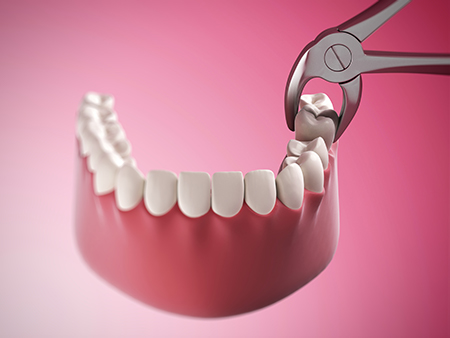
Removing a tooth often starts a conversation about restoring function and appearance. Not every extraction requires immediate replacement, but we will discuss the implications of leaving a space versus restoring it—things like changes in bite, shifting of neighboring teeth, or long-term bone loss can influence the best path forward.
Available options commonly include removable dentures, fixed dental bridges, and dental implants. Each approach has different benefits: dentures can replace multiple teeth efficiently, bridges restore adjacent tooth relationships, and implants provide a durable, bone-preserving solution that most closely mimics natural tooth function. We present these choices objectively and partner with patients to determine which option aligns with their oral health goals and lifestyle.
When appropriate, we coordinate timing so that restorative work occurs after the socket has healed and when it is safest to proceed. In some cases, staged treatment or referrals to specialists are part of a comprehensive plan designed to deliver predictable, long-term results.
After an extraction, the body begins a natural healing process that we support with practical post-operative care. Patients should expect some swelling and mild discomfort in the first 48–72 hours; with proper attention to bleeding control, medication, and activity levels, most people recover smoothly and resume normal routines within a few days.
We provide tailored post-op instructions for every patient, and it’s important to follow them closely. If you take prescription medications for any reason, or if your medical history includes conditions that affect healing, we’ll adapt recommendations and may coordinate with your physician to ensure a safe recovery.
If you notice signs such as prolonged heavy bleeding, severe or worsening pain, persistent swelling beyond the expected timeframe, or any unusual symptoms, contact our office promptly so we can evaluate your healing and provide appropriate care.
Control bleeding with gauze pressure
Bite gently on the gauze pad placed over the socket for the first hour to establish a clot. Change the gauze as directed, and maintain light pressure rather than frequent spitting or rinsing, which can dislodge the clot.
Protect numb tissues
The anesthetic can leave lips, cheeks, and tongue numb for a few hours. Avoid chewing or touching the area until sensation returns to prevent accidental injury.
Take medications as instructed
Antibiotics:
If an antibiotic is prescribed, take the full course exactly as directed to help prevent or control infection.
Pain control:
Use over-the-counter pain relievers or any prescribed medication according to instructions. Taking a dose before the anesthetic fully wears off can help reduce peak discomfort.
Avoid disrupting the clot
Do not rinse vigorously, use straws, or smoke for at least a week, as suction or chemical exposure can interfere with clot formation and healing.
Manage swelling with cold therapy
Apply an ice pack to the cheek in 10–15 minute intervals during the first 24 hours to minimize swelling and bruising.
Choose gentle nutrition
Stick to soft, cool or lukewarm foods for the first couple of days. Avoid hot beverages, crunchy foods, and anything that requires vigorous chewing near the extraction site.
Maintain careful oral hygiene
Brush other teeth as usual but be cautious around the extraction area. After 24–48 hours, gentle rinses with a mild saline solution can help keep the site clean without disturbing healing.
Attend scheduled follow-up visits
Return for any recommended appointments so we can check healing, remove sutures if needed, and plan any subsequent restorative care.
If you experience continued bleeding, increasing pain, a persistent bad taste, or other unexpected symptoms, contact our office so we can assess your recovery and intervene if necessary.
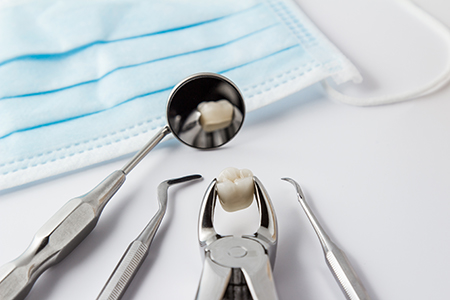
Choosing a dental provider for an extraction is about experience, clear communication, and attention to patient comfort. Our approach emphasizes conservative decision-making, precise technique, and supportive aftercare so patients feel confident throughout the process. We take time to explain each step, answer questions, and tailor treatment plans to each individual’s needs.
When tooth replacement is appropriate, we review all restorative options—including removable prosthetics, fixed bridges, and dental implants—so you can select the solution that best fits your goals. Our team coordinates care across specialties as needed to achieve predictable outcomes and help preserve oral function over the long term.
In summary, tooth extractions are a carefully considered treatment used to resolve pain, prevent further damage, and set the stage for lasting oral health. If you have questions about whether an extraction is necessary or would like to learn about post-extraction options and recovery, contact us to speak with a member of our team for more information.


Removing a tooth is considered when retaining it would cause ongoing pain, spread infection, or jeopardize adjacent teeth or general health. Common clinical reasons include advanced decay that cannot be restored, severe periodontal disease with significant bone loss, irreparable fractures, and nonresolving infections. The recommendation to extract always follows a thorough exam and diagnostic imaging to compare conservative alternatives and long-term outcomes.
For children, retained primary teeth that block eruption or primary teeth that are badly damaged may require removal to allow normal development. In some orthodontic treatment plans, selective extractions create space to achieve a functional bite and stable alignment. Your dentist will explain the clinical rationale, the expected course with or without extraction, and any restorative planning that will follow.
A simple extraction applies to a tooth that is fully visible in the mouth and has a straightforward root form; after local anesthesia the dentist gently loosens the tooth and removes it with forceps using atraumatic techniques. Simple extractions are usually performed in the office and focus on preserving surrounding bone and soft tissue to support healing. Recovery from a simple extraction is often quicker and involves standard post-op instructions to manage bleeding and discomfort.
A surgical extraction is used when the tooth is broken at the gum line, impacted, or inaccessible with standard instruments and may require a small incision, removal of a bit of bone, or sectioning of the tooth. Surgical cases sometimes benefit from coordination with an oral and maxillofacial surgeon, especially when nerves or complex anatomy are involved. The surgical approach is chosen to maximize safety and predictable healing in more complex situations.
Before any extraction we take a detailed medical and dental history, review medications, and obtain necessary imaging so we understand root anatomy, bone quality, and proximity to nerves or sinuses. These preparations are completed at the office of Schneider Family & Cosmetic Dentistry in Mooresville and help determine whether any special precautions or consultations are needed prior to care. If you use blood thinners, have a history of bleeding disorders, or have significant medical conditions, we will coordinate with your physician to optimize safety.
Your dentist will provide specific preoperative instructions such as fasting if a sedation option is planned and guidance on taking routine medications the day of the procedure. Make arrangements for transportation if you expect sedation, and plan light activities for the remainder of the day. Bringing a list of current medications and any recent health changes helps the team deliver safe, individualized care.
Local anesthesia is used to numb the area thoroughly and is sufficient for most routine extractions, allowing patients to remain awake and comfortable during the procedure. For patients who experience dental anxiety or require more complex surgical care, additional options such as nitrous oxide (laughing gas), oral conscious sedation, or intravenous sedation can be discussed and arranged based on medical history and clinical needs. Each option is chosen to balance comfort, safety, and the complexity of the extraction while monitoring vital signs as appropriate.
We review the benefits and risks of each anesthesia choice before treatment and ask about allergies, medications, and medical conditions that may affect sedation. If deeper sedation or general anesthesia is recommended for complex cases, care may be coordinated with a specialist or surgical facility to ensure appropriate monitoring and support. Clear communication about expectations and aftercare helps patients feel prepared and reassured about their anesthesia plan.
Control of bleeding and protection of the blood clot are essential during the first 24 hours; bite gently on gauze pads as directed and avoid frequent spitting, vigorous rinsing, smoking, or using straws that can dislodge the clot. Keep the head elevated and use cold packs on the cheek intermittently during the first 24 hours to limit swelling, applying in 10 to 15 minute intervals. Take prescribed or recommended pain relief and antibiotics exactly as instructed to manage discomfort and reduce infection risk.
After 24 to 48 hours, you can begin gentle saline rinses to help keep the site clean, and progress to soft, nonabrasive foods that do not require heavy chewing near the extraction area. Protect numb tissues until sensation returns to avoid accidental biting, and maintain routine oral hygiene for the rest of your teeth while being careful around the surgical site. Follow-up instructions and any suture removal appointments should be attended to ensure proper healing.
While most patients heal without issue, certain symptoms warrant prompt evaluation such as prolonged heavy bleeding that does not respond to pressure, increasing or severe pain after the first few days, persistent or worsening swelling, or a fever that suggests infection. Another specific complication is dry socket, which typically presents as severe, radiating pain several days after extraction and often requires in-office treatment to manage. Numbness that persists beyond the expected timeframe or any unusual sensations should also be reported immediately.
If you experience uncontrolled bleeding, systemic symptoms like high fever or difficulty breathing, seek emergency care and then notify our office so we can coordinate further treatment. For nonemergent concerns such as questions about medication, dressing changes, or wound appearance, contact the practice to schedule an assessment. Timely communication allows us to intervene early and reduce the risk of more serious problems.
Yes — extractions can play a planned role in orthodontic treatment by creating space to align teeth and correct bite relationships, and they are often coordinated between the general dentist and the orthodontist. The timing and selection of teeth for removal are determined by the overall treatment objectives and the stage of dental development. When extractions are part of an orthodontic plan, careful planning helps preserve symmetry and ensure stable long-term results.
If an extraction is unplanned, such as losing a tooth to decay or trauma, adjacent teeth may shift over time and alter bite dynamics, which can complicate or lengthen orthodontic care. In those cases, early discussion with your orthodontist about space maintenance or restorative options helps prevent undesirable movement. Clear coordination among the dental team ensures that extractions and subsequent tooth movement support a functional and esthetic outcome.
Common replacement options include removable dentures, fixed dental bridges, and dental implants, each with distinct benefits: dentures can replace multiple teeth efficiently, bridges restore adjacent tooth relationships, and implants preserve bone and most closely mimic natural tooth function. The choice of restoration depends on the number of missing teeth, bone quality, patient health, and long-term goals for function and esthetics. Planning often begins at the time of extraction so patients understand the implications of leaving a space versus restoring it.
Timing for replacement varies; some situations allow for immediate provisional restorations while others require a healing interval to let the socket mature and bone remodel before definitive work. At Schneider Family & Cosmetic Dentistry in Mooresville we review immediate versus staged approaches, coordinate imaging and any specialist care, and tailor a timeline that balances healing with restorative goals. This coordinated planning helps achieve predictable, long-lasting results that fit the patient’s lifestyle.
When implants are considered, evaluation of bone volume and density using diagnostic imaging guides whether bone grafting or sinus augmentation is needed before implant placement. Bridges require healthy adjacent teeth that can serve as abutments and may be favored when implants are not appropriate. The treatment team discusses the pros and cons of each option so patients can choose a solution that aligns with their oral health priorities.
Wisdom teeth are not always removed; many people retain healthy third molars without problems, but removal is recommended when these teeth are impacted, poorly aligned, decay-prone, or contributing to infection or damage to adjacent teeth. Because of their location at the back of the mouth, wisdom teeth are often difficult to keep clean and can cause chronic inflammation, pericoronitis, cyst formation, or crowding. The decision to remove third molars is individualized based on symptoms, radiographic findings, and risk of future complications.
Assessment of wisdom teeth typically includes panoramic or CBCT imaging to evaluate root form, angulation, and relationship to nerves and sinuses. For young adults, earlier removal can sometimes simplify surgery and recovery, while a conservative monitoring approach may be appropriate for asymptomatic, well-positioned teeth. Your dentist will explain the anticipated benefits and risks so you can make an informed choice about management.
Initial soft-tissue healing occurs over the first one to two weeks, with most swelling and peak discomfort resolving within 48 to 72 hours; however, underlying bone remodeling and complete socket healing can take several months. Sutures, if placed, are often removed or dissolve within seven to ten days, and follow-up visits ensure the site is healing as expected. Individual healing times vary with age, overall health, smoking status, and adherence to post-operative instructions.
During recovery expect gradual improvement in comfort and function: begin with soft foods and progress as tolerated, maintain gentle oral hygiene around the area, and avoid activities that raise blood pressure or risk dislodging the clot. If pain, swelling, or other symptoms worsen instead of improving, contact the office promptly so the team can evaluate and provide appropriate care. Regular follow-up allows the provider to plan any necessary restorative steps once healing is sufficiently advanced.
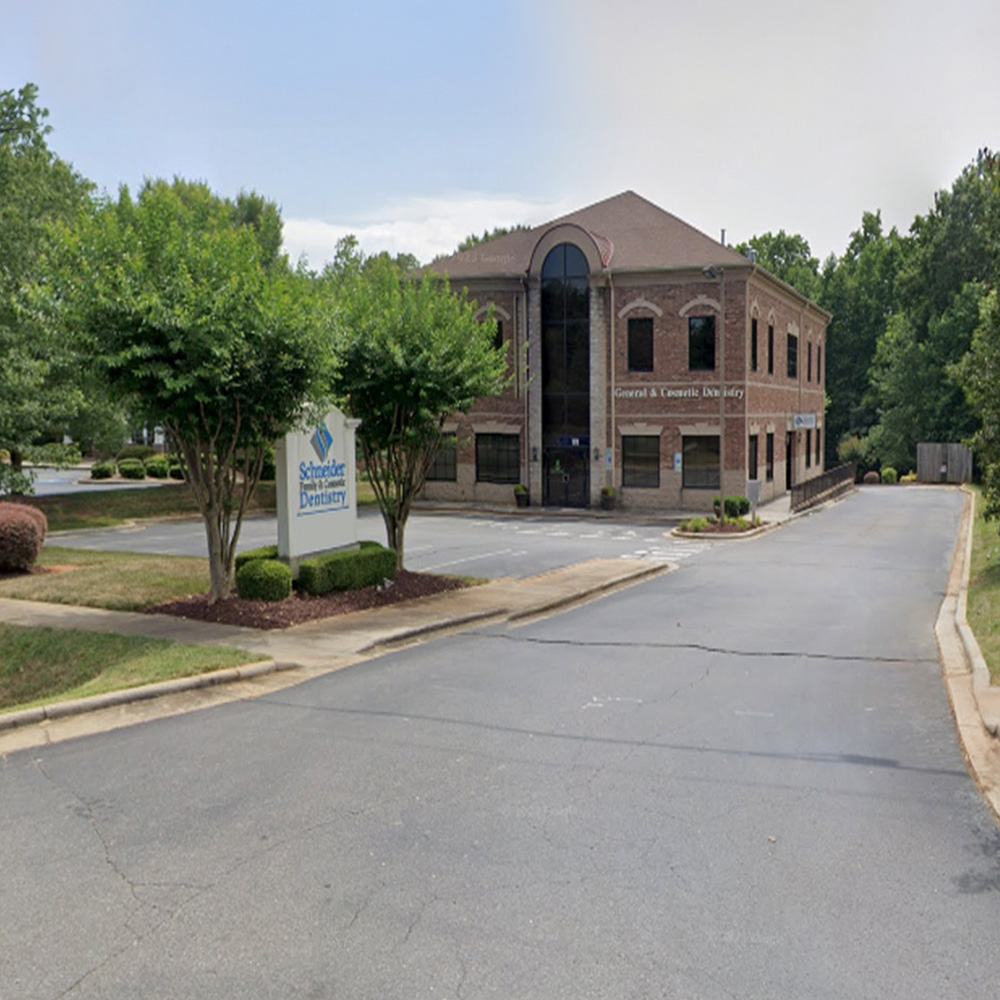
Ready to schedule your next dental appointment or have questions about our services?
Contacting Schneider Family & Cosmetic Dentistry is easy! Our friendly staff is available to assist you with scheduling appointments, answering inquiries about treatment options, and addressing any concerns you may have. Whether you prefer to give us a call, send us an email, or fill out our convenient online contact form, we're here to help. Don't wait to take the first step towards achieving the smile of your dreams – reach out to us today and discover the difference personalized dental care can make.