If multiple dental problems have left you uncomfortable, unable to chew properly, or self-conscious about the way your smile looks, a carefully planned full mouth reconstruction can restore both function and confidence. In Mooresville, our team approaches these complex cases with methodical planning, proven restorative techniques, and an emphasis on long-term results. Full mouth reconstruction is not a single procedure but a sequence of treatments tailored to address each patient’s specific needs.
Full mouth reconstruction refers to a coordinated series of restorative and cosmetic dental procedures designed to rebuild the health, appearance, and function of an entire dental arch or both arches. Unlike a single filling or crown, this type of care considers the bite, jaw joints, gum health, tooth alignment, and the aesthetic proportions of the face. The objective is to create a stable, comfortable bite that supports chewing, speech, and overall oral health while producing a natural-looking smile.
Every plan begins with a full diagnostic workup. Digital X-rays, intraoral scanning, and, when necessary, CBCT imaging provide detailed information about tooth structure, bone levels, and the position of critical anatomical features. These modern tools allow your dental team to visualize outcomes, identify potential complications, and design restorations that fit precisely and function predictably.
Because full mouth reconstruction addresses multiple elements at once, the process emphasizes sequencing—deciding which problems to treat first and how each step will affect subsequent care. Proper sequencing reduces the risk of complications, shortens the overall treatment time where possible, and increases the likelihood of long-lasting results.
Patients who benefit from full mouth reconstruction often present with a combination of issues rather than a single concern. Common indications include advanced tooth wear from bruxism (teeth grinding), widespread decay or failed restorations, significant tooth loss, traumatic injury, uneven bite relationships, or conditions that have altered facial support. Congenital tooth defects or the aftereffects of previous treatments can also warrant a comprehensive approach.
Evaluation is individualized. A patient with worn teeth may require bite rehabilitation to restore vertical height and protect newly placed crowns. Someone with multiple missing teeth might need a combination of dental implants and prosthetics to reestablish chewing efficiency and preserve jawbone. The clinical goal is to identify all contributing factors—mechanical, biological, and aesthetic—so that each is managed as part of a complete plan.
Because systemic health and lifestyle can influence treatment choices, the diagnostic phase includes a review of medical history, medications, and habits such as smoking or nighttime clenching. These elements inform treatment sequencing and maintenance planning so the reconstructed dentition remains healthy over time.
Successful full mouth reconstruction often requires coordinated care among dental specialists. Periodontists, oral surgeons, endodontists, and orthodontists may be involved depending on the complexity of the case. For example, gum or bone grafting may be needed before placing implants, or orthodontic movement may be required to position teeth optimally for restorative work. A collaborative plan ensures each step supports the next and that restorative materials are chosen to integrate well with surgical and periodontal treatments.
Our role as the restorative clinician includes creating a roadmap and communicating clearly with any specialists involved. Shared digital records, treatment models, and mock-ups help unify the team’s goals and give the patient a clearer expectation of the final result. This coordination minimizes surprises and helps maintain consistent quality across every stage of care.
Coordination also extends to laboratory partners. High-quality dental restorations depend on precision milling, ceramic layering, or custom prosthetic fabrication. Working with experienced dental labs, the dental team can ensure materials and shapes are tailored to a patient’s bite dynamics and aesthetic preferences.
The restorative toolbox for full mouth reconstruction is broad, and modern dentistry offers solutions that blend durability with natural aesthetics. Common components include porcelain crowns and bridges, implant-supported restorations, full or partial dentures, onlays and inlays, and cosmetic veneers where appropriate. Selection is driven by the patient’s functional needs, remaining tooth structure, and long-term goals.
Implant dentistry plays a major role when teeth are missing or non-restorable. Dental implants restore support for crowns and bridges, preserve bone, and provide stability superior to removable prosthetics for many patients. When multiple teeth are missing, treatment options may range from implant-retained dentures to fixed implant bridges designed to distribute chewing forces evenly across the arch.
Advances in digital dentistry—such as digital impressions, computer-guided implant placement, and CAD/CAM restorations—improve predictability and patient comfort. These technologies allow for more accurate fit, fewer adjustments, and a better match to the patient’s natural dentition. When combined with careful occlusal analysis and, if needed, selective occlusal equilibration, restorations can last longer and perform better.
Timelines for full mouth reconstruction vary widely depending on the scope of treatment. Some patients may complete much of their restorative work in a matter of months when no extensive surgery is required. Others who need bone grafting, staged implant placement, or orthodontics may expect a treatment course that spans several months to a year. Clear staging and regular reviews help keep progress on track and allow adjustments based on healing and patient feedback.
Recovery experiences also differ by procedure. Restorative appointments like crown placements usually involve minimal discomfort and quick return to normal activities. Surgical steps such as extractions, bone grafts, or implant placement can require a short period of healing and temporary dietary modifications. Your dental team will provide specific post-operative instructions to support comfortable recovery and optimal healing.
Long-term success depends on maintenance. Regular dental checkups, professional cleanings, and a tailored home-care routine protect restorations and detect early changes in time to intervene conservatively. For patients with parafunctional habits, a custom night guard or behavior-focused therapies may be recommended to protect new work from excessive wear.
At the office of Schneider Family & Cosmetic Dentistry, we emphasize planning, communication, and conservative decision-making so patients receive durable, natural results. If a full mouth reconstruction is a path you’re considering, our team will guide you through diagnostics, options, and a personalized plan aligned with your goals.
In summary, full mouth reconstruction is a thoughtful, multi-step process that restores oral health, function, and esthetics for patients with complex dental needs. If you’d like to learn more about whether this comprehensive approach is right for you, contact us for more information.


Full mouth reconstruction is a comprehensive, individualized treatment plan that rebuilds the health, function, and appearance of a patient’s teeth and supporting structures. It is not a single procedure but a coordinated sequence of restorative and cosmetic treatments designed to address problems across one or both dental arches. The goal is to create a stable bite, restore chewing and speech function, and produce a natural, long-lasting smile.
The planning process considers the bite relationship, jaw joints, gum health, tooth alignment, and facial proportions to ensure balanced results. Modern diagnostics like digital X-rays, intraoral scans, and CBCT imaging are commonly used to visualize anatomy and predict outcomes. Proper sequencing and integrated care reduce complications and improve the predictability of the final result.
Patients who benefit from full mouth reconstruction typically present with multiple dental issues rather than a single concern, such as severe tooth wear from bruxism, extensive decay or failing restorations, significant tooth loss, or traumatic damage. Congenital defects, long-term neglect, or prior treatments that altered bite or facial support can also make a comprehensive approach the best option. Evaluation always accounts for medical history, medications, and habits like smoking or nighttime clenching because these factors influence treatment choices and outcomes.
Candidacy is determined through a detailed diagnostic workup and discussion of goals, expectations, and overall health. Some patients require preliminary care such as periodontal therapy, endodontic treatment, or extractions before restorative phases begin. Others may need orthodontic movement or surgical procedures like bone grafting to achieve the ideal foundation for durable restorations.
At the office of Schneider Family & Cosmetic Dentistry a full diagnostic evaluation forms the foundation of any reconstruction plan and typically includes a medical and dental history review, clinical exam, digital X-rays, intraoral scanning, and, when appropriate, CBCT imaging. These tools allow the clinician to assess tooth structure, bone levels, joint function, and the spatial relationships that affect bite and esthetics. Diagnostic records often include study models, photographs, and virtual or physical mock-ups to help visualize proposed changes.
Once data are collected, the team develops a sequenced treatment plan that prioritizes biological health, function, and esthetic goals. The plan explains which problems will be addressed first, how each step affects subsequent care, and anticipated timelines for surgery and healing. Clear communication with any specialists and the dental laboratory ensures coordinated care and consistent expectations throughout the course of treatment.
Full mouth reconstruction uses a variety of restorative and surgical solutions tailored to each patient’s needs, including porcelain crowns and bridges, onlays and inlays, veneers where appropriate, tooth-colored fillings, root canal therapy, and removable or fixed prosthetics. When teeth are missing or non-restorable, dental implants and implant-supported prostheses often provide the best long-term support and help preserve jawbone. Periodontal therapy, gum or bone grafting, and orthodontic treatment may be included to prepare the mouth for durable restorations.
Digital dentistry and CAD/CAM workflows frequently play a central role, enabling precise digital impressions, computer-guided implant placement, and accurately milled restorations. These technologies improve fit and esthetics while reducing the need for multiple adjustments. The restorative approach is always chosen to balance strength, function, and a natural appearance that complements the patient’s facial features.
Dental implants serve as artificial tooth roots that support crowns, bridges, or overdentures and are often a key component of comprehensive reconstructions when teeth are missing or cannot be saved. Implants help distribute chewing forces, preserve jawbone, and provide stability that is superior to many removable options for many patients. When implants are planned, surgeons may use bone grafting or sinus lifts to create adequate bone volume, and guided planning software is frequently used to optimize placement relative to restorative goals.
Implant-supported designs can range from single-tooth crowns to full-arch fixed bridges or implant-retained dentures, depending on the number and position of implants and the patient’s functional needs. Successful implant treatment depends on careful coordination between surgical and restorative phases, precise impressions or digital scans, and a well-fitting prosthesis that respects the patient’s bite. Ongoing maintenance and routine evaluations are important to monitor implant health and surrounding tissues.
Timelines vary widely based on the scope of treatment, the need for surgical procedures, and individual healing rates; some patients complete much of their restorative care in a few months while others may require a year or more if orthodontics or staged grafting and implant healing are necessary. Simple restorations and crown work can be completed relatively quickly, but surgical steps such as bone grafting or implant osseointegration require additional healing time before final prosthetics are placed. Clear staging helps make progress predictable and allows the team to adapt the plan as healing and patient needs evolve.
Patients should expect regular follow-up appointments during treatment to monitor healing, make adjustments, and fabricate interim restorations when needed. Communication about milestones, temporary prostheses, and expected recovery helps patients plan work and personal commitments. The ultimate timeline is driven by clinical priorities and the goal of delivering a durable, comfortable outcome rather than speeding through essential steps.
Recovery experiences vary depending on whether the procedure is primarily restorative or involves surgery. Restorative appointments like crown or veneer placements usually cause minimal discomfort and allow a quick return to normal activities, while surgical steps such as extractions, grafting, or implant placement can require a few days of healing, short-term dietary modifications, and temporary pain management. Your dental team will provide specific post-operative instructions, prescriptions when appropriate, and guidance on oral hygiene to support smooth recovery.
Temporary restorations are commonly used to protect function and esthetics during healing and to test bite and appearance before final restorations are made. Patients should follow recommended cleaning protocols and attend follow-up visits to ensure tissues heal properly and to allow timely progression to the next phase of treatment. For those with parafunctional habits, wearing a custom night guard and addressing contributing behaviors can protect new work and reduce the risk of complications.
As with any comprehensive dental care, full mouth reconstruction carries potential risks that vary with the types of procedures performed, including sensitivity, infection, delayed healing after surgery, and complications related to implants such as failure to integrate in rare cases. Restorations can also face issues like fracture, wear, or loosening over time if occlusion is not properly managed or if parafunctional habits continue unchecked. Careful planning, conservative decision-making, and collaboration with specialists reduce these risks and improve predictability.
Early identification and management of complications is important, so routine monitoring and timely intervention are part of a responsible treatment plan. Pre-existing medical conditions and lifestyle factors such as smoking can increase complication risks and are considered during planning. Patients are encouraged to discuss concerns and understand the steps the team will take to minimize and address potential problems throughout treatment.
The longevity of restorations in a full mouth reconstruction depends on material selection, the quality of the underlying tooth or implant support, the patient’s oral hygiene, and habits such as grinding or clenching. High-quality materials and precise fabrication techniques can provide many years of service, but even the best restorations require routine maintenance, occasional adjustments, and replacement over time. Regular dental exams and professional cleanings help identify wear or early concerns so interventions can be conservative rather than extensive.
Protective measures such as custom night guards, behavior modification for parafunction, and adherence to a tailored home-care routine significantly extend the life of restorations. Good communication with your dental team about any changes in fit, comfort, or appearance helps catch issues early. A maintenance plan developed during treatment outlines appropriate recall intervals and hygiene protocols to support long-term success.
Gathering your medical and dental history, a list of current medications, and any recent imaging or dental records will make the consultation more productive and allow the team to assess your needs efficiently. Be prepared to discuss your goals, daily habits that affect oral health, prior dental treatments, and any symptoms such as pain, difficulty chewing, or jaw discomfort. Bringing photos that show your smile from multiple angles or a written list of questions can help ensure you cover all concerns during the visit.
During the consultation the team will explain the diagnostic steps, possible treatment components, and the anticipated sequence of care tailored to your situation. Expect a discussion of alternatives, expected timelines for each phase, and the role of specialists if multidisciplinary care is needed. After the visit you will have a clearer understanding of the recommended path forward and the follow-up actions required to begin treatment.
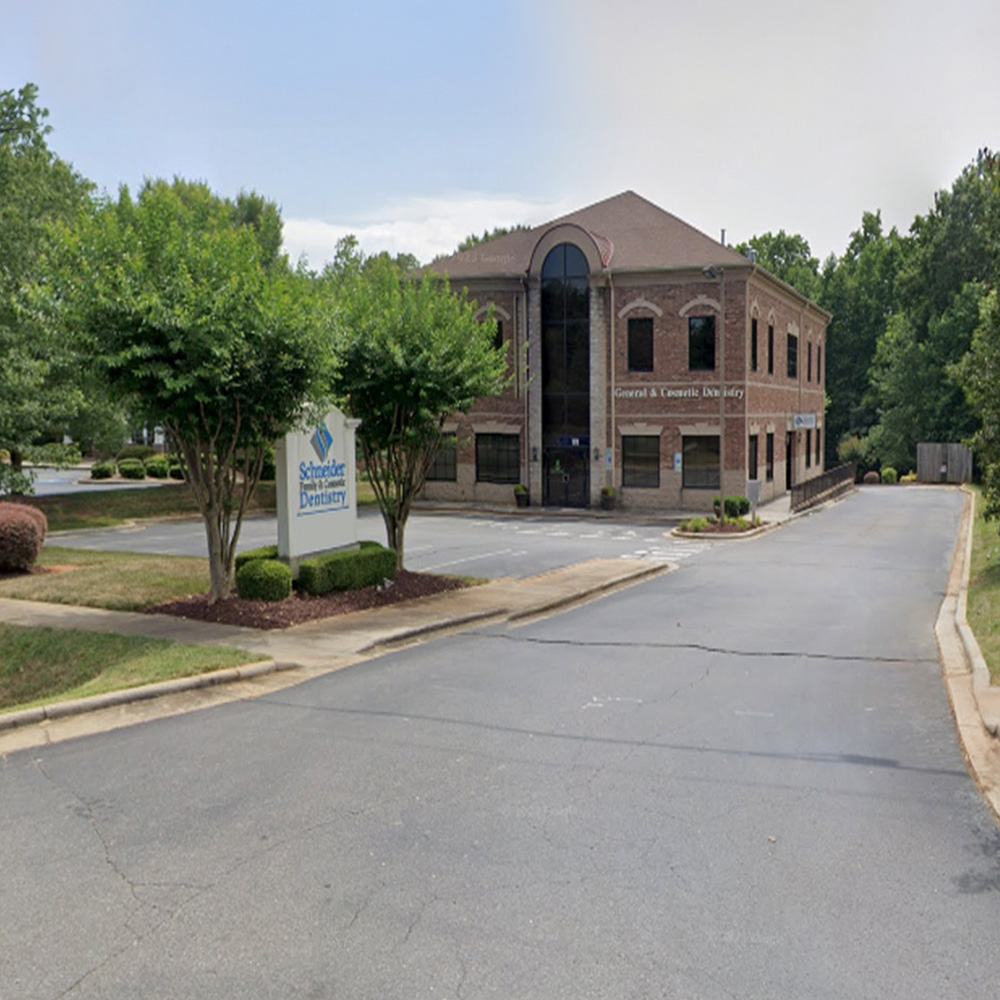
Ready to schedule your next dental appointment or have questions about our services?
Contacting Schneider Family & Cosmetic Dentistry is easy! Our friendly staff is available to assist you with scheduling appointments, answering inquiries about treatment options, and addressing any concerns you may have. Whether you prefer to give us a call, send us an email, or fill out our convenient online contact form, we're here to help. Don't wait to take the first step towards achieving the smile of your dreams – reach out to us today and discover the difference personalized dental care can make.