Invisalign® has redefined how many people approach orthodontic care — offering a discreet, removable, and highly personalized path to a straighter smile. For patients who want effective tooth movement without the visual impact of brackets and wires, clear aligner therapy provides a modern alternative that blends clinical precision with everyday convenience. At Schneider Family & Cosmetic Dentistry, we walk patients through each step so they understand both the clinical benefits and the lifestyle advantages of choosing aligners.

Invisalign® for Teens

Invisalign® for Brides

Invisalign® for Travelers
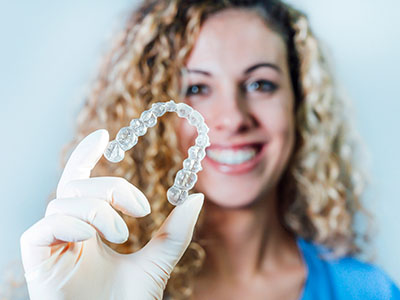
Before & After Photos
Invisalign® Videos
FAQs
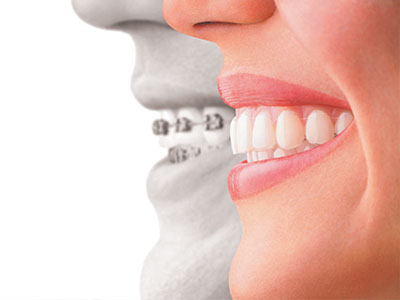
Invisalign® vs Braces
Invisalign® vs Direct-To-Consumer Aligners
Is Invisalign® Right For Me?

Invisalign® Costs
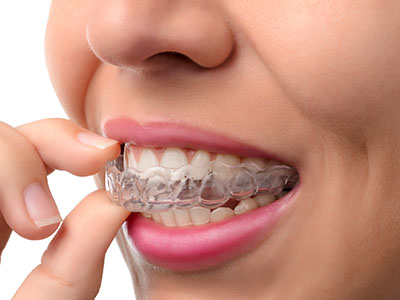
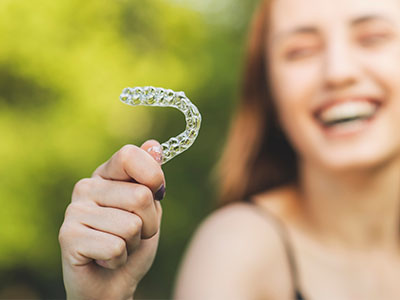
Clear aligners rely on a sequence of custom-made trays to gently guide teeth into new positions. Each aligner is designed to make small, controlled movements, and the cumulative effect over the course of treatment results in measurable alignment improvements. Because the trays are removable and nearly transparent, many patients find them much less intrusive on appearance and daily life than fixed appliances.
Another defining feature is that aligner systems are planned digitally. Advanced 3-D imaging and computer modeling allow clinicians to map an entire treatment from start to finish before the first tray is made. That means you can see anticipated outcomes and the staged progression of tooth movement early in the process — giving both patient and provider a clearer roadmap for care.
Beyond aesthetics, the materials used for modern aligners are engineered for comfort and durability. Smooth, biocompatible plastics reduce soft tissue irritation and are shaped to fit snugly against enamel. For many adults and image-conscious teens, this combination of precision and discretion is why clear aligner therapy is an attractive option.
Treatment begins with a clinical evaluation during which your dentist will review your oral health, bite relationships, and alignment goals. If aligners are appropriate, the practice will capture digital scans or impressions to create a highly accurate model of your teeth. These digital records form the basis of a customized treatment plan that outlines the number of aligners and the intended sequence of movements.
Once the treatment plan is finalized, a series of trays are fabricated from the clinic-approved design. Patients typically wear each aligner for a prescribed interval, switching to the next tray as directed by the dental team. Periodic checkups allow your provider to monitor progress and make any adjustments to ensure the teeth are moving as planned.
Because the course of care is individualized, timelines vary depending on the complexity of the correction. The digital planning phase and ongoing clinical oversight help the dentist predict outcomes more reliably and intervene when necessary to keep the plan on track.
One of the advantages of removable aligners is that you can maintain your regular oral hygiene routine. Brushing and flossing are performed as usual because the trays are taken out for meals and cleaning. Maintaining excellent oral hygiene during treatment is essential — healthy gums and clean tooth surfaces support efficient tooth movement and better long-term results.
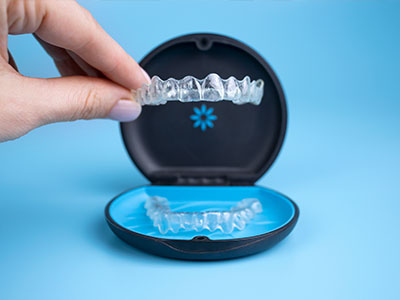
When trays are out, it’s a good practice to keep them in their protective case to avoid loss or damage. Clean the aligners gently with a soft brush and lukewarm water; avoid hot water and abrasive cleaners that can warp the material. With consistent wear and proper care, aligners remain comfortable and functional throughout treatment.
Patients often ask about speech and comfort. While some people experience a brief adjustment period, most adapt quickly and notice minimal interference with talking or daily routines. The key to predictable results is following your dentist’s instructions about wear time and replacement schedules for each aligner in the series.
Clear aligners are suitable for many alignment concerns, including mild to moderate crowding, spacing, and certain bite irregularities. They can be an excellent option for adults and teens who want a less visible alternative to traditional braces. During a consultation, the dental team evaluates your bite, gum health, and any restorative work to determine whether aligners will effectively address your objectives.
Cases that involve major jaw discrepancies or highly complex tooth movements may still require alternative approaches or a combined treatment plan. When necessary, your dentist will discuss complementary therapies or specialist referrals to achieve the best outcome while prioritizing oral health and function.
Every candidate is different, so individualized assessment is essential. The digital diagnostics used in aligner planning help reveal the detailed tooth and bite relationships that determine whether clear aligner therapy is the right route.
Modern clear aligner systems are supported by sophisticated digital workflows. High-resolution scans create an accurate virtual model of the mouth, and treatment software simulates the step-by-step movement of teeth. This level of planning allows clinicians to visualize the entire course of care before fabrication begins, and to make evidence-based decisions about attachments, staging, and interarch considerations.
Data gathered from large cohorts of treated cases contributes to continuous refinements in aligner design and movement strategies. That collective knowledge helps clinicians anticipate common response patterns and apply techniques that improve precision, such as prescribed attachments or targeted force application when needed.
Clinical oversight remains critical: while the technology provides the blueprint, the dentist monitors tissue response, tooth mobility, and overall progress to confirm the plan is working as intended. This collaboration between digital tools and professional judgment is what leads to consistent, reliable outcomes.
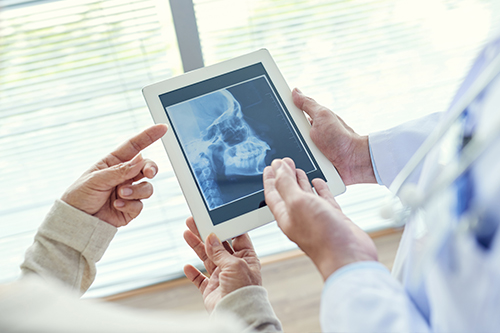
A thorough exam identifies alignment goals and checks overall oral health so the treatment plan begins on a healthy foundation. Your dentist will explain the anticipated process and answer any questions about what to expect during care.
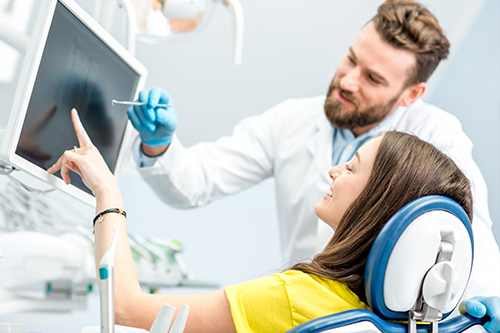
Fast, precise digital impressions replace traditional molds for many patients, producing a lifelike 3-D model that serves as the basis for a tailored treatment plan and a preview of projected results.
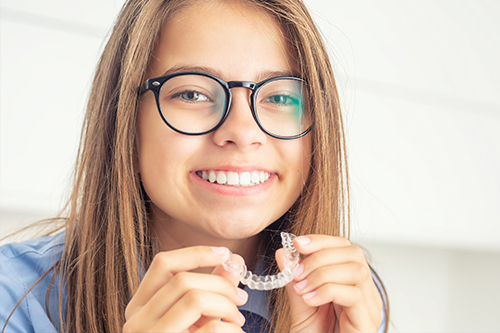
Each tray in the series is fabricated to match the planned tooth positions and is intended to be comfortable while applying the precise forces needed for movement. The fit is customized for efficiency and patient comfort.

Throughout treatment, your dentist will review progress and make any necessary refinements. Professional guidance ensures the plan remains aligned with clinical goals and patient expectations from start to finish.
Explore the true stories and journeys of several Invisalign® patients
*Invisalign® is a registered trademark of Align Technology, Inc.
When you’re considering clear aligner therapy, a knowledgeable team makes all the difference. Schneider Family & Cosmetic Dentistry combines modern technology with thoughtful clinical care to help patients pursue straighter, healthier smiles. If you’d like to learn more about whether Invisalign® could be right for you, please contact us for additional information or to schedule a consultation.
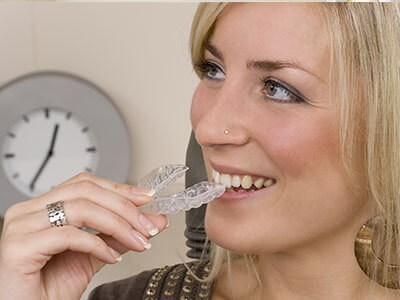

Invisalign® is a clear aligner system that straightens teeth using a series of custom-made, removable trays. Each aligner is designed to apply gentle, controlled forces that move teeth a small amount before the next tray continues the sequence. Because the trays are nearly transparent and removable, they offer a low-profile alternative to traditional fixed braces for many patients.
Digital scans and treatment software allow clinicians to plan the entire tooth movement sequence in advance and preview anticipated outcomes. The planned staging determines the number of aligners and the timing for each change, while the dentist provides clinical oversight throughout care. This combination of digital planning and professional monitoring supports predictable, controlled tooth movement.
Clear aligner therapy is well suited to adults and image-conscious teens who have mild to moderate crowding, spacing, or certain bite irregularities. Good candidates should have healthy gums and tooth structure so movement can proceed without periodontal or restorative complications. A careful clinical evaluation identifies whether aligners are the right choice for an individual patient.
Some complex cases that involve significant jaw discrepancies, severe rotation, or major vertical changes may require alternative orthodontic approaches or a combined treatment plan. When aligners are appropriate, the dentist will design a plan that accounts for existing restorations and any special tooth movements needed. Personalized assessment is the best way to determine candidacy and expected results.
During the first visit the dental team reviews your medical and dental history, examines your teeth and bite, and discusses your cosmetic and functional goals. At the office of Schneider Family & Cosmetic Dentistry the provider will also assess gum health and existing restorations to ensure a healthy foundation for orthodontic movement. This exam helps determine whether clear aligners are a suitable option.
If aligners are recommended, the practice obtains high-resolution digital scans or precise impressions to create an accurate 3-D model of your mouth. Treatment software uses that model to simulate staged movements and to generate the aligner series, which the dentist reviews with you before fabrication. Reviewing the proposed plan early gives patients a clear understanding of the expected progression and milestones.
Treatment planning combines digital simulation with clinical judgment to map each step of tooth movement from the starting position to the intended result. Software models show the sequence of aligners and indicate where attachments, staging adjustments, or interproximal reduction may be recommended to improve control. The dentist finalizes the plan and approves the aligner design before manufacturing.
Throughout treatment the clinician schedules periodic follow-up visits to evaluate tissue response, check fit, and confirm that teeth are tracking as planned. If necessary, the dentist can refine the plan, order additional aligners, or modify attachments to maintain progress. Active clinical oversight is essential to achieve the intended outcome safely and reliably.
Patients should remove aligners for eating and drinking anything other than plain water, then brush and floss before reinserting them to keep teeth and gums healthy. When trays are not in use, store them in their protective case to avoid damage or loss. Regular professional cleanings and periodontal maintenance remain important during orthodontic treatment.
Clean aligners daily using a soft brush and lukewarm water, avoiding hot water or abrasive cleaners that can warp or scratch the material. Avoid colored mouthwashes or toothpaste that may stain the trays, and inspect aligners frequently for cracks or fitting issues. Promptly report any concerns to your dental team so they can address fit or comfort problems early.
Most patients experience a short adjustment period when they first begin wearing aligners, which may cause a mild lisp or changes in speech for a few days. As people adapt, speech typically returns to normal and most day-to-day activities are unaffected. Because aligners are removable, eating and participating in sports or musical performance are often easier to manage than with fixed braces.
Consistent wear—generally the number of hours recommended by your dentist—is essential for predictable results, so plan for periods each day when trays are in place. If you have concerns about comfort or speaking, your dental team can provide tips and minor adjustments to improve adaptation. Clear aligners are designed to balance effectiveness with lifestyle convenience.
Invisalign and similar clear aligner systems can address many bite issues, including certain cases of overbite, underbite, crossbite, and open bite, especially when the movements required are within the range of aligner mechanics. The predictability of specific movements depends on the case complexity, the use of attachments, and appropriate staging in the digital plan. For many patients, aligners offer a conservative and effective approach to improving occlusion and function.
Highly complex skeletal discrepancies or severe orthodontic problems may require adjunctive treatments such as fixed appliances, orthognathic surgery, or specialist referral to an orthodontist. Your dentist will explain the limits of aligner therapy during the evaluation and recommend a combined or alternative approach when necessary to achieve a healthy, functional bite.
Treatment length varies widely depending on the complexity of tooth movements, the number of aligners required, and patient compliance with prescribed wear time. Biological factors such as the rate of bone remodeling and the condition of supporting tissues also influence how quickly teeth move. Because each plan is individualized, dentists estimate timelines based on the planned stages and clinical experience.
Regular monitoring and adherence to the schedule for changing aligners help keep treatment on track, while missed wear or inconsistent use is a common cause of delays. Digital planning and early detection of tracking issues allow clinicians to make refinements that preserve momentum. Open communication with your dental team helps manage expectations and reduces the chance of unexpected extensions.
Follow-up visits are typically scheduled at intervals determined by the dentist to check fit, evaluate tooth movement, and confirm periodontal health. During these appointments the clinician examines how teeth are tracking against the planned stages and addresses any soft tissue concerns or hygiene needs. These visits are an opportunity to ask questions and confirm that the aligners remain comfortable and effective.
If teeth are not moving as predicted, the dentist may recommend refinements such as additional aligners, adjusted attachments, or updated scans to revise the plan. Refinement phases are a normal part of achieving precise results and reflect the collaborative nature of digital planning and clinical management. Ongoing oversight ensures treatment progresses safely and aligns with the desired outcome.
To begin, call the office to schedule a consultation where a clinician will review your dental history, examine your teeth and gums, and discuss whether clear aligner therapy is a suitable option. The practice will perform a detailed assessment and, if appropriate, obtain digital scans to create a customized treatment plan and preview projected results. During this visit you can ask about clinical expectations, the estimated sequence of care, and what to expect at each stage.
If you decide to proceed, the dental team at Schneider Family & Cosmetic Dentistry will coordinate the scanning, treatment planning, and scheduling of follow-up visits to monitor progress. For new patient scheduling you may call (704) 230-4190 or visit the office at 528 Williamson Rd, Suite 201, Mooresville, NC 28117 to arrange an appointment. The team focuses on combining modern technology with personalized clinical oversight to help patients pursue a healthier, well-aligned smile.

Ready to schedule your next dental appointment or have questions about our services?
Contacting Schneider Family & Cosmetic Dentistry is easy! Our friendly staff is available to assist you with scheduling appointments, answering inquiries about treatment options, and addressing any concerns you may have. Whether you prefer to give us a call, send us an email, or fill out our convenient online contact form, we're here to help. Don't wait to take the first step towards achieving the smile of your dreams – reach out to us today and discover the difference personalized dental care can make.