Gum disease is far more common than most people realize and is the leading cause of adult tooth loss in the United States. Research from national health authorities shows that periodontal conditions affect a large portion of the adult population, often developing quietly over many years. At the office of Schneider Family & Cosmetic Dentistry, we focus on practical strategies and individualized care to preserve the tissues that support your teeth and keep your smile healthy for life.
Periodontal disease begins with a buildup of bacteria-rich plaque along the gumline. When plaque is not removed regularly, it hardens into tartar (calculus), creating pockets where bacteria thrive and trigger a chronic inflammatory response. These microbes and their toxins irritate the gums and eventually damage the connective tissue and bone that hold teeth in place.
Not all patients experience pain as the disease progresses, which is why routine dental exams are so important. Screening and diagnostic tools used in modern dental practices can reveal early tissue changes, pocket depths, and bone loss long before severe symptoms arise. Early detection provides the best chance to halt progression and restore periodontal health with minimally invasive care.
While the biological drivers of gum disease are universal — bacteria, host response, and local factors such as tartar and rough restorations — each patient’s situation is unique. Smoking, certain medications, uncontrolled diabetes, and genetic predisposition all influence how aggressively the disease advances and which treatment approaches will be most effective.
Because periodontal disease can advance without obvious discomfort, learning to spot subtle changes is valuable. Early-stage inflammation often shows up as gums that look swollen, feel tender, or appear darker than usual. You may also notice bleeding during brushing or flossing that wasn’t present before — a common early indicator that professional care is needed.
Other signs to watch for include increases in tooth sensitivity, the appearance of longer-looking teeth from mild recession, and persistent bad breath that does not respond to routine oral hygiene. A shifting bite or new spaces forming between teeth can signal loss of supporting tissue and should prompt an evaluation.
If you notice any of these changes, schedule a periodontal assessment. The evaluation typically includes probing to measure pocket depth, charting recession, and reviewing recent radiographs to check for bone changes. Armed with that information, your dental team can recommend the appropriate next steps to stop disease progression.
Common symptoms people report include:
Gums that bleed during or after brushing and flossing
Redness, puffiness, or gums that feel tender to the touch
Noticeable gum recession or teeth that look longer than before
Chronic bad breath or an unpleasant taste that lingers
Loose teeth, changes in tooth position, or difficulty chewing
Discharge near the gumline or areas that seem unusually sore when biting

Healthy gums are more than a cosmetic concern — they play a vital role in systemic wellness. A growing body of research links chronic periodontal inflammation with a range of health conditions, including cardiovascular disease, diabetes complications, and some respiratory disorders. Controlling gum inflammation reduces microbial load and may help lower systemic inflammatory markers.
Preventing periodontal disease or keeping it under control also protects the function and comfort of your smile. Lost bone and soft tissue are difficult to replace and can complicate restorative work, such as crowns, bridges, or implant placement. Investing in preventive care preserves treatment options and simplifies future dentistry when it becomes necessary.
At Schneider Family & Cosmetic Dentistry, we emphasize prevention through education, routine professional cleanings, and individualized home care plans. Our goal is to help patients maintain a healthy oral environment that supports both dental longevity and overall well-being.
Gingivitis is the earliest, reversible phase of gum disease. In this stage the irritants that provoke inflammation are localized to the soft tissues; the underlying bone and connective support remain intact. With consistent professional care and improved daily hygiene, gingivitis can usually be resolved without surgical intervention.
Treatment for gingivitis focuses on removing plaque and calculus from above and just below the gumline, calming inflammation, and coaching patients on home care techniques that reduce bacterial re-accumulation. This often includes a tailored oral hygiene routine, instruction on effective brushing and interdental cleaning, and follow-up visits to monitor progress.
Most patients respond well to these measures when they are implemented promptly. The tissues regain a healthy appearance, bleeding diminishes, and the risk of progression to more destructive periodontal disease is greatly reduced.

If gingivitis goes unaddressed, the condition can evolve into periodontitis, where attachment loss and bone destruction occur. Pocket depths increase and bacteria penetrate deeper along root surfaces. Over time, this leads to loosening teeth, changing bite relationships, and in some cases, tooth loss.
Management of periodontitis aims to arrest tissue destruction, eliminate pathogenic bacteria, and, when possible, regenerate lost structures. Depending on the severity and pattern of involvement, treatment ranges from targeted deep cleanings to regenerative procedures designed to restore bone and soft tissue contours.
Every treatment plan considers the patient’s overall health, medications, and lifestyle factors that influence healing. Coordinated care — including communication with a patient’s medical providers when relevant — helps optimize outcomes and supports long-term periodontal stability.
Periodontal care is typically delivered in a stepwise manner, with the least invasive and most predictable approaches attempted first. For many patients, deep cleaning procedures that remove deposits from root surfaces — combined with close follow-up and improved home care — are sufficient to arrest disease and reduce pocket depths.
Non-surgical therapy centers on scaling and root planing: carefully removing hardened deposits and smoothing rough root surfaces to discourage bacterial colonization. In some cases, localized antimicrobial agents placed beneath the gums or a short course of systemic therapy may be used as adjuncts to enhance infection control.
These procedures are performed with attention to patient comfort and often include topical or local anesthetics. After initial therapy, regular periodontal maintenance visits — more frequent than standard cleanings for healthy patients — help sustain results and catch any recurrent inflammation early.
When non-surgical approaches achieve pocket reduction and tissue healing, many patients can avoid more invasive interventions and enjoy lasting periodontal stability with diligent maintenance.
For pockets that remain deep or areas with significant bone loss, periodontal surgery may be recommended to gain access for thorough cleaning, reshape affected tissues, and support regeneration. Procedures can include flap surgery to reduce pocket depths, bone grafts to rebuild lost volume, and connective tissue grafts to improve root coverage and aesthetics.
Modern periodontal care also incorporates advanced technologies, such as lasers, which can be used selectively to reduce diseased tissue, manage peri-implantitis, or refine gum contours. Your dental team will discuss the risks and benefits of any surgical option and tailor treatment to your specific goals and medical profile.
Successful surgical therapy is followed by a structured maintenance program and a commitment to improved daily care to protect the investment in healing and to reduce the chance of recurrence.

Treating inflammation early, then maintaining plaques-free root surfaces through routine cleanings and home care, is the cornerstone of preventing destructive disease. Periodontal charting and periodic radiographs help track changes over time.
When tissue loss has already occurred, regenerative procedures and reconstructive techniques aim to rebuild support and create a foundation for restorative dentistry when needed. These procedures are planned to restore both function and form.
Keeping your gums healthy is an ongoing partnership between you and your dental team. With appropriate screening, timely treatment, and a consistent maintenance routine, it’s possible to control periodontal disease and preserve a functional, comfortable smile. If you’d like to learn more about how we approach gum care and prevention, please contact us for more information.
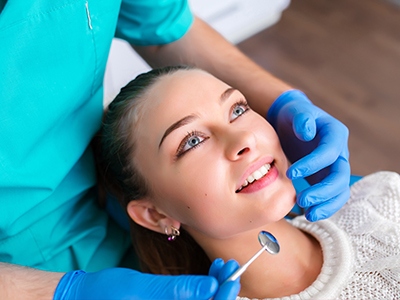

Gum disease is caused primarily by the accumulation of bacteria-rich plaque along the gumline that irritates soft tissues and triggers inflammation. If plaque is not regularly removed by brushing and interdental cleaning, it hardens into tartar that shelters bacteria and deepens pockets around teeth. Host factors such as an individual’s immune response, genetics and local oral conditions also influence how aggressively the disease progresses. Together, microbial challenges and a susceptible host create the environment for periodontal breakdown.
Local contributors that accelerate tissue damage include rough restorations, crowded teeth that trap debris, and inadequate oral hygiene techniques. Systemic influences such as poorly controlled diabetes or the effects of certain medications can alter gum health and healing capacity. Smoking introduces chemicals that impair blood flow and immune function in the gums, making infection more likely and treatment less predictable. Identifying and addressing both local and systemic drivers is essential to managing the disease effectively.
Early periodontal inflammation is often subtle and may not be painful, so attention to small changes matters. Common early signs include gums that bleed during brushing or flossing, redness or puffiness of the gum tissue, and persistent bad breath that does not respond to routine oral hygiene. You may also notice increased tooth sensitivity or the appearance of longer teeth as gum tissue recedes.
Other warning signs that warrant prompt professional evaluation include loose teeth, new spacing between teeth, and discharge at the gumline. Because symptoms can be minimal, routine dental examinations and periodontal screenings are important for catching disease before significant damage occurs. If you observe any of these changes, schedule an assessment to determine the cause and next steps.
Diagnosis of periodontal disease combines a visual exam, periodontal probing and radiographic assessment to evaluate tissue health and bone support. Probing measures pocket depths and recession, while charting locates areas of attachment loss that may require treatment. Recent radiographs reveal bone levels around the teeth and help distinguish between early and advanced patterns of disease.
A complete assessment also reviews medical history, medication use and lifestyle factors that affect healing and disease progression. The dental team may perform periodic periodontal charting to track changes over time and to evaluate the effectiveness of therapy. With this information, clinicians can recommend a personalized treatment plan and an appropriate maintenance schedule.
Gingivitis is the earliest, reversible stage of gum disease where inflammation is limited to the soft tissues and the underlying bone remains intact. Symptoms frequently include redness, swelling and bleeding, but with consistent professional care and improved home hygiene, the tissues can return to health. Gingivitis does not involve attachment loss, which is why early detection and treatment are so important.
Periodontitis develops when inflammation progresses to involve the connective tissues and bone that support teeth, producing pocket formation and potential bone loss. Once attachment is lost, therapy shifts from simple plaque removal to targeted interventions aimed at arresting destruction and, when possible, regenerating lost structures. The distinction guides treatment choices and the intensity of follow-up care required to maintain stability.
Conservative, non-surgical therapy centers on scaling and root planing to remove plaque and calculus from root surfaces and to smooth rough areas that harbor bacteria. These procedures are performed with attention to patient comfort and may include the use of topical anesthetics or localized antimicrobial agents placed into pockets. In select cases a short course of systemic antibiotics is recommended as an adjunct to mechanical therapy to improve infection control.
After initial therapy patients enter a periodontal maintenance program with more frequent professional cleanings and monitoring than standard recall visits. Home care coaching is a critical component and often includes instruction on effective brushing, interdental cleaning and the use of adjunctive rinses where appropriate. When pockets reduce and tissues heal, many patients maintain long-term stability with diligent maintenance and follow-up.
Surgical treatment is recommended when non-surgical therapy cannot adequately reduce deep pockets or when there is significant bone loss that compromises support for teeth. Common surgical procedures include flap surgery to access and clean infected root surfaces, bone grafting to rebuild lost bone, and soft-tissue grafts to address recession and improve aesthetics. Each procedure is selected to address the specific pattern of tissue loss and to restore a stable foundation for oral function.
Modern surgical approaches emphasize minimally invasive techniques, careful tissue handling and adjunctive technologies such as lasers when indicated. Your dental team will discuss anticipated outcomes, healing timelines and postoperative care to optimize recovery and long-term stability. Successful surgical therapy is followed by a structured maintenance program and patient adherence to improved home care to reduce recurrence risk.
Chronic periodontal inflammation contributes to a systemic inflammatory burden and has been associated with a range of health concerns including cardiovascular disease, poorer glycemic control in diabetes and respiratory complications. While periodontal disease is not the sole cause of these conditions, controlling oral inflammation can reduce microbial load and systemic inflammatory markers. Maintaining periodontal health is therefore an important component of comprehensive health management.
Because systemic health influences healing, communication between dental and medical providers is often valuable when managing patients with complex medical histories. Coordinated care helps ensure that medications, medical conditions and lifestyle factors are considered when planning periodontal therapy. This integrated approach supports safer treatment and better long-term outcomes for both oral and overall health.
Smoking is a major risk factor that alters blood flow, impairs immune response and reduces healing capacity in periodontal tissues, making disease more severe and treatment less predictable. Diabetes, particularly when poorly controlled, increases susceptibility to infection and slows tissue repair, which can accelerate periodontal breakdown. Certain medications can cause changes in gum tissue or salivary flow that indirectly affect periodontal health.
When assessing and treating periodontal disease clinicians review these risk factors and may coordinate care with a patient’s medical providers to optimize outcomes. Modifying controllable factors—such as smoking cessation and improved glycemic control—can significantly enhance response to therapy. Tailoring treatment plans to account for medications and systemic conditions helps protect healing and reduces the chance of recurrence.
Yes, implants can be affected by a similar inflammatory process called peri-implantitis, which involves soft-tissue inflammation and bone loss around an implant. Peri-implantitis requires prompt evaluation since progressive bone loss compromises implant stability and restorative outcomes. Treatment includes mechanical debridement, antiseptic or antimicrobial therapies and, in many cases, surgical intervention to decontaminate the implant surface and regenerate lost bone.
Prevention and early detection are essential; regular maintenance visits and careful home care help minimize the risk of peri-implant disease. When implants are present, periodontal monitoring includes assessments specific to implant health in addition to natural teeth. Coordinated management by the restorative and periodontal teams supports predictable long-term function of implants.
Periodontal maintenance visits are scheduled more frequently than routine cleanings and focus on removing new deposits, monitoring pocket depths and reinforcing home care practices. During these appointments the dental team will probe and chart the gums, assess tissue stability and perform targeted cleaning of root surfaces if needed. Maintenance intervals are individualized based on disease severity, response to therapy and risk factors.
At home, effective daily care includes thorough brushing, interdental cleaning with floss or interdental brushes and any clinician-recommended adjuncts such as medicated rinses. Your dental provider will demonstrate techniques tailored to your anatomy and restoration needs to help control bacterial biofilm. Ongoing partnership between you and the dental team is the foundation for preserving periodontal health and protecting future restorative options at the office of Schneider Family & Cosmetic Dentistry.

Ready to schedule your next dental appointment or have questions about our services?
Contacting Schneider Family & Cosmetic Dentistry is easy! Our friendly staff is available to assist you with scheduling appointments, answering inquiries about treatment options, and addressing any concerns you may have. Whether you prefer to give us a call, send us an email, or fill out our convenient online contact form, we're here to help. Don't wait to take the first step towards achieving the smile of your dreams – reach out to us today and discover the difference personalized dental care can make.