Being told you need a root canal can feel unsettling, but it doesn’t have to be. Modern root canal therapy is a predictable, well-established treatment focused on relieving pain, removing infection, and preserving your natural tooth. In most cases the experience is no more uncomfortable than receiving a routine dental filling, and it often prevents the need for extraction and more invasive care down the road.
At Schneider Family & Cosmetic Dentistry we combine careful diagnostics with a gentle approach to make the process as calm and straightforward as possible. Our goal is to help you keep your natural smile and return to normal eating and speaking with minimal interruption to your life.
Keeping your natural teeth whenever possible is usually the best outcome for long-term oral function. A tooth that has been maintained through root canal therapy can support chewing efficiency, preserve surrounding bone, and protect the alignment of neighboring teeth. When a tooth is extracted instead, it can set off a chain of changes that lead to additional restorative needs later.
Root canal treatment addresses the source of infection or damage inside the tooth so the outer structure can be restored and protected. With careful restoration—typically a crown or other strong filling—the treated tooth can function comfortably for many years. Advances in technique and materials have made these outcomes more reliable than ever.
For many people, choosing root canal therapy means avoiding more complex restorative procedures in the future. When a treated tooth is maintained with good oral hygiene and routine dental care, it often provides lasting service and a more natural feel than replacement options.

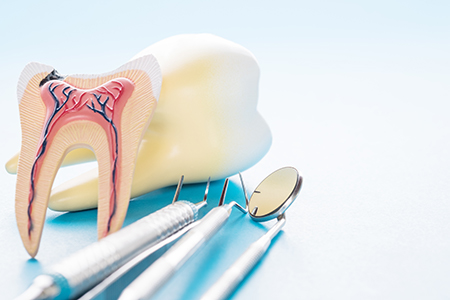
Each tooth contains a central pulp chamber made up of soft tissue, blood vessels, and nerve fibers. When decay, deep restorations, cracks, or direct trauma reach that inner tissue, the pulp can become inflamed, infected, or completely non-vital. Once that happens, the problem rarely resolves on its own and usually requires treatment to prevent spread of infection and more serious symptoms.
Symptoms range from a lingering ache and sensitivity to temperature, to more obvious signs like swelling, discoloration, or pus drainage. In some cases a problematic tooth gives little or no warning and is first identified on a routine X-ray when signs of bone involvement appear around the root tips.
Prompt evaluation helps determine whether root canal therapy or another form of care is the most appropriate choice. A thoughtful diagnosis considers symptoms, clinical findings, and radiographic evidence to create a clear treatment plan tailored to the tooth’s condition and your overall oral health.
Below are common warning signs that often point to underlying pulp problems:
Pain that lingers or intensifies—especially pain that interrupts sleep or returns shortly after taking over-the-counter medication—frequently signals a deeper issue within the tooth. This type of discomfort is a common reason patients are advised to seek root canal treatment.
A brief twinge is different from sharp, lasting sensitivity. When hot and cold sensations cause ongoing pain, the neural tissues inside the tooth may be inflamed or compromised and warrant a professional assessment.
Discomfort triggered by pressure can indicate infected or damaged internal tissues, or a crack that communicates with the pulp. Addressing this early helps protect the surrounding bone and soft tissue.
A tooth that turns darker in color may reflect changes inside the tooth—often the result of prior trauma or internal tissue breakdown. Discoloration is an important clue that further evaluation is needed.
Physical damage to a tooth can expose or injure the pulp. In many cases treating the internal tissues through root canal therapy allows the tooth to be rebuilt and preserved rather than removed.
Localized swelling, a small bump on the gum, or signs of drainage suggest an abscess or infection that should be evaluated promptly. Early care reduces the risk of more extensive complications.
Infection that reaches the supporting bone can weaken the tooth’s foundation, causing mobility. Timely treatment can often halt the process and allow the bone and tissues to heal.

Some teeth with serious internal problems don’t cause dramatic symptoms at first. That’s one reason routine dental exams and X-rays are valuable: they reveal trouble that may be otherwise hidden. When a problem is caught early, treatment is often simpler and recovery quicker.
Delaying care can allow infection to spread beyond the tooth and into surrounding bone and tissues, complicating treatment and prolonging discomfort. Infections that extend to neighboring structures may also increase the likelihood of needing additional procedures to restore function and comfort.
Addressing symptoms or radiographic findings in a timely fashion helps preserve oral health and reduces the chance of emergency situations. If you notice persistent changes in a tooth, scheduling an evaluation sooner rather than later is a prudent step.
Root canal therapy today uses refined instruments, effective disinfecting solutions, and reliable filling materials to remove diseased tissue and seal the tooth from reinfection. The procedure is performed under local anesthesia so the treated tooth and surrounding area are numb, and many patients compare the experience to having a filling placed.
The treatment can often be completed in a single visit, but more complex anatomy or active infection may require a second appointment to achieve a predictable outcome. The length of time depends on the tooth’s root configuration, the extent of damage, and the steps needed to thoroughly clean and shape each canal.
After the canals are cleaned and filled with a biocompatible material, the tooth is restored with a permanent crown or appropriate restoration to protect it from fracture. Sedation options are available for patients who experience dental anxiety, and our team will discuss the most comfortable approach for your visit.
Most people experience some tenderness and mild soreness in the days after treatment while surrounding tissues settle and heal. Over-the-counter pain relievers typically manage this discomfort, and any stronger medication would be provided only when clinically necessary. If antibiotics are prescribed for an active infection, it’s important to complete the full course exactly as directed.
A treated tooth needs a definitive restoration to restore strength and prevent fracture. Until that permanent crown or filling is placed, the tooth may be vulnerable—so it’s wise to avoid chewing hard or sticky foods on the treated side. Good oral hygiene and regular dental checkups help protect the restored tooth and the rest of your mouth.
With proper care, many root canal–treated teeth remain functional for decades. Our team monitors healing with follow-up examinations and X-rays as needed to confirm that the tooth and surrounding bone are responding favorably.
Numbness can linger for an hour or two after anesthesia. During that time avoid chewing and be cautious with hot foods and beverages to prevent accidental injury to soft tissues.
Mild soreness as tissues recover is normal. Rest, soft foods, and recommended analgesics usually keep you comfortable while healing progresses.
When provided, antibiotics are intended to address or prevent spreading infection. Taking them as directed supports recovery and reduces complications.
A temporary filling is not a long-term solution. Avoid chewing on hard items until a permanent crown or restoration is placed to minimize the risk of fracture.
Continue brushing and flossing around the treated tooth. A clean environment supports healing and offers the best chance for a lasting result.
Arranging for the permanent restoration soon after treatment completes the process and restores the tooth’s function and appearance.
At Schneider Family & Cosmetic Dentistry we focus on clear explanations, careful technique, and follow-up care so patients understand what to expect and can make informed choices. If you’re experiencing dental pain or have questions about whether root canal therapy is the right option for a particular tooth, our team can help evaluate your situation and outline the next steps.
For more information about root canal treatment or to schedule an evaluation, please contact us — we’re here to help and to answer any questions you may have.


A root canal is a dental procedure that removes inflamed or infected tissue from the inside of a tooth and seals the space to prevent reinfection. The aim is to eliminate pain, stop the spread of infection, and preserve the natural tooth structure whenever possible. Modern techniques and materials make the treatment predictable and comfortable for most patients.
Root canal therapy is performed when the tooth pulp becomes damaged by deep decay, cracks, or trauma and can no longer heal on its own. Treating the internal tissues allows the outer tooth to be restored and protected so it can continue to function for many years. Choosing to save a tooth often helps maintain chewing efficiency, preserve surrounding bone, and protect the alignment of neighboring teeth.
Symptoms that commonly indicate a problem with the tooth pulp include persistent or worsening pain, strong sensitivity to hot or cold, pain when biting, and noticeable darkening of a tooth. Some teeth also present with swelling, a persistent gum sore or bump, or increased mobility when the supporting bone is affected. In other cases the tooth may give little warning and a routine X-ray will reveal signs of internal damage or bone involvement.
A careful evaluation that includes a clinical exam, sensitivity testing, and radiographs helps determine whether root canal therapy is the appropriate course of action. Your dentist will consider your symptoms, the tooth's structural condition, and the surrounding tissues before recommending treatment. Prompt assessment improves the likelihood of a straightforward repair and reduces the risk of more extensive complications.
During a modern root canal procedure the dentist administers local anesthesia to numb the tooth and surrounding tissues so you are comfortable throughout treatment. The tooth is accessed, the diseased pulp is removed, canals are cleaned and shaped with refined instruments, and antiseptic solutions are used to disinfect the space thoroughly. Once clean, the canals are filled with a biocompatible material and the access is sealed to prevent reinfection.
Many cases can be completed in a single visit, though more complex anatomy or active infection may require a staged approach to achieve a predictable outcome. After the internal work is finished, the tooth typically requires a permanent restoration such as a crown to restore strength and prevent fracture. At Schneider Family & Cosmetic Dentistry our team explains each step and tailors the approach to the specific needs of the tooth and patient.
Most patients report that having a root canal is no more uncomfortable than receiving a routine filling when modern anesthesia and techniques are used. The purpose of treatment is to remove the source of severe tooth pain caused by inflamed or infected pulp, and many people experience immediate relief after the offending tissue is removed. Local anesthesia, and sedation options when appropriate, are available to help anxious patients remain relaxed during the visit.
Some tenderness and mild soreness in the days after treatment is normal as surrounding tissues heal, but this is typically manageable with over-the-counter pain relievers. If stronger medication is clinically necessary, it will be prescribed and instructions for use provided. If you experience unusually high pain or swelling after treatment, contact the dental office for evaluation and follow-up.
The length of a root canal appointment depends on the tooth’s root anatomy, the presence of infection, and the steps required to clean and shape each canal thoroughly. Many straightforward cases are completed in a single appointment that may last an hour to an hour and a half, while molars with complex canals or active infections can require additional time or a second visit. Your dentist will provide an estimated timeline based on the tooth’s condition and the planned approach.
When multiple visits are needed, the canals are typically medicated and temporarily sealed between appointments to allow healing and to ensure the space remains clean. The priority is a predictable, well-sealed result rather than a rushed procedure. Scheduling considerations and any sedation preferences are discussed in advance so you know what to expect for each appointment.
After a root canal most patients experience mild soreness as the surrounding tissues settle and heal; this usually subsides within a few days. Rest, soft foods, and recommended over-the-counter analgesics generally keep you comfortable while recovery progresses, and any prescribed antibiotics should be taken exactly as directed if an active infection was present. Avoid chewing on the treated tooth until a permanent restoration is placed to reduce the risk of fracture.
Good oral hygiene and routine dental checkups support long-term success of the treated tooth, and your dentist will schedule follow-up examinations and radiographs as needed to monitor healing. If you notice increased swelling, persistent pain, or other unusual symptoms after treatment, contact the dental office promptly for reassessment. Timely placement of a crown or permanent restoration completes the process and restores full function and appearance.
After root canal therapy the tooth is restored with a permanent filling or most commonly a crown to protect it from fracture and to restore normal function. A crown provides strength by surrounding the tooth and distributing chewing forces, which is especially important for back teeth that endure higher loads. The choice of restoration depends on the tooth’s remaining structure and the functional demands in the mouth.
Until the definitive restoration is placed, a temporary filling protects the canal filling but should not be relied upon for long-term function. Your dentist will outline the timeline for the permanent restoration and any additional steps such as core buildup or post placement when necessary. Proper restoration and routine maintenance greatly increase the chance that a root canal treated tooth will last for many years.
Delaying treatment for an infected or damaged tooth can allow the infection to spread into surrounding bone and soft tissues, which may complicate care and prolong discomfort. As supporting bone becomes involved, the tooth can become loose, and more extensive procedures may be required to restore oral health. In some cases, an infection that is left untreated can lead to an abscess or systemic concerns, making early evaluation important.
Routine dental exams and radiographs help detect hidden problems before symptoms become severe, increasing the likelihood of a simpler and more predictable treatment. Prompt attention to warning signs such as persistent pain, swelling, or sudden tooth discoloration helps preserve options and reduce the need for more invasive interventions. If you notice changes in a tooth, scheduling an assessment sooner rather than later is advisable.
While root canal therapy has a high success rate, there are circumstances in which a treated tooth can develop new or persistent infection, such as missed canals, complex anatomy, or new decay that compromises the seal. If symptoms recur or radiographs indicate continued bone changes, your dentist or an endodontist can evaluate whether retreatment, surgical root-end procedures, or extraction are appropriate. The decision is guided by the tooth’s restorability and your overall oral health goals.
Retreatment typically involves removing the previous filling material, re-cleaning and disinfecting the canals, and then refilling them to achieve a better seal. In some cases a surgical approach called an apicoectomy addresses persistent infection at the root tip. Your dental team will explain the benefits and limitations of each option so you can make an informed choice that preserves function and comfort whenever possible.
Determining whether root canal therapy is the best option begins with a comprehensive evaluation that includes a clinical exam, assessment of symptoms, mobility and periodontal condition, and radiographic imaging to view the roots and surrounding bone. The dentist will consider the extent of decay or fracture, the tooth’s restorability, and the prognosis of alternative treatments such as extraction and replacement. The goal is to recommend the approach that preserves oral health, function, and appearance with the most predictable outcome.
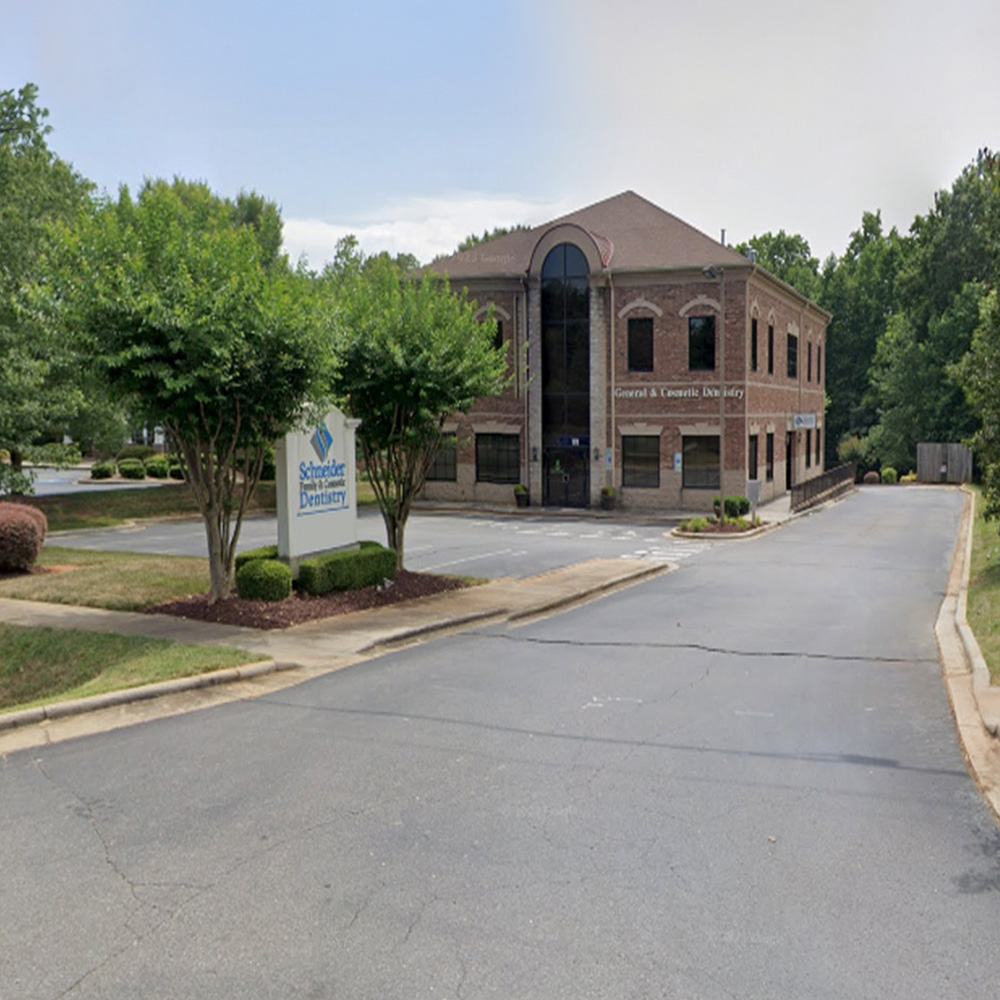
At our Mooresville office the team explains diagnostic findings and outlines the recommended plan, including what to expect during treatment and the steps needed for long-term success. Patient-specific factors such as medical history, comfort preferences, and the condition of adjacent teeth are part of the discussion. If you have questions about whether root canal therapy is right for a particular tooth, contact Schneider Family & Cosmetic Dentistry to schedule an evaluation and personalized treatment plan.
Ready to schedule your next dental appointment or have questions about our services?
Contacting Schneider Family & Cosmetic Dentistry is easy! Our friendly staff is available to assist you with scheduling appointments, answering inquiries about treatment options, and addressing any concerns you may have. Whether you prefer to give us a call, send us an email, or fill out our convenient online contact form, we're here to help. Don't wait to take the first step towards achieving the smile of your dreams – reach out to us today and discover the difference personalized dental care can make.