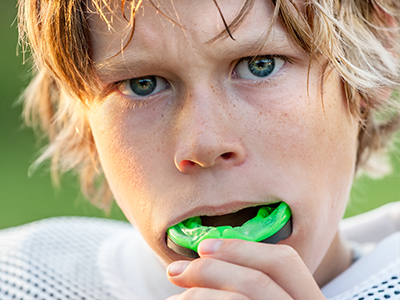
Any activity that involves fast movement, physical contact, or flying objects carries the potential for oral injury. Falls, collisions, and accidental strikes can chip or fracture teeth, slice soft tissues, or cause painful jaw injuries that lead to longer-term problems. Protecting the mouth isn’t just about avoiding cosmetic damage — preventing dental trauma can also reduce the risk of costly restorative care and time away from the game.
Young athletes and adults alike can underestimate how easily a single incident can affect speech, eating, and overall comfort. A properly fitted mouthguard acts as the first line of defense, absorbing and dispersing forces that would otherwise be transferred directly to teeth and soft tissues. Because sports vary widely in the types and directions of impact, choosing the right protection is a key decision for anyone involved in organized or recreational athletics.
Coaches, parents, and players who focus on skill and conditioning should give the same attention to protective gear. Incorporating a mouthguard into routine equipment helps make oral safety a habit and reduces the chance that preventable injuries will derail a season or cause long-term dental complications.
Mouthguards create a cushioning barrier between the teeth and the inside of the mouth. When a force is applied — whether from a blow, fall, or accidental contact — the material of the guard helps absorb energy and distribute impact across a wider surface. This function lowers the likelihood of tooth fractures and soft tissue lacerations by preventing direct contact between teeth and hard structures.
Beyond tooth protection, a well-designed mouthguard can also stabilize the jaw and reduce the risk of concussion-related motion by limiting extreme movement. By filling the space between the upper and lower teeth, the guard lessens the chance that the lower jaw will be driven backward or sideways with enough force to damage the temporomandibular joint or surrounding tissues.
Mouthguards also protect dental work — crowns, bridges, and orthodontic appliances can be vulnerable during contact sports. For athletes with braces or other restorations, a custom-designed guard provides better coverage and minimizes the risk of cutting the lips or damaging orthodontic hardware.
The market offers three principal options: ready-to-wear stock guards, boil-and-bite models, and custom mouthguards crafted by a dental professional. Stock guards are preformed and inexpensive, but they often fit poorly and can interfere with breathing or speaking. Boil-and-bite guards—softened in hot water and then adapted to the mouth—provide a closer fit than stock models but still rely on user technique for proper shaping.
Custom mouthguards are made from impressions or digital scans of the patient’s teeth, allowing for precise adaptation to each individual mouth. This tailored fit improves comfort, retention, and oral function during activity. Athletes who wear a custom guard typically report less interference with breathing and clearer speech, which can be important during fast-paced or strategic sports.
While off-the-shelf options do offer a basic level of protection and can be a short-term solution, the increased protection, durability, and comfort of a professional-grade, custom-fitted mouthguard make it the preferred choice for athletes who regularly participate in contact or collision sports.
Custom mouthguards are especially valuable for athletes who engage in high-impact activities, contact sports, or any discipline where falls are common. Youth players whose teeth and jaws are still developing can benefit from a snug, professionally made guard that accounts for growth and orthodontic appliances. Patients undergoing orthodontic treatment often require a mouthguard that accommodates brackets and wires while still providing robust protection.
Recreational athletes and weekend warriors also gain from a custom solution: a comfortable guard is more likely to be worn consistently, and ongoing protection can prevent injuries that would otherwise necessitate restorative care. People with previous dental restorations, such as crowns or implants, should consider a custom option to ensure those investments remain safe during athletic pursuits.
At the office of Schneider Family & Cosmetic Dentistry, we work with patients to recommend the level of protection that matches their sport, position, and dental needs. Whether someone plays competitively or enjoys occasional pickup games, a guard that fits well promotes both safety and confidence.
Selecting the right mouthguard begins with understanding your sport’s risks and your personal dental situation. A dental professional can evaluate bite patterns, restorations, and orthodontic appliances to determine the most appropriate design. For custom guards, the process typically involves taking impressions or digital scans, followed by laboratory fabrication in materials chosen for shock absorption and resilience.
Proper care extends the life and effectiveness of any mouthguard. Rinse it after each use, clean it with a gentle toothbrush and mild soap, and store it in a ventilated container away from heat and direct sunlight. Regular inspection for wear, thinning, or hardening is important because damaged guards no longer provide reliable protection and should be replaced promptly.
Scheduling periodic checkups allows your dental team to assess fit, especially for growing children or patients with shifting dentition. If an athlete experiences a dental impact while wearing a guard, a follow-up exam is recommended to confirm that no hidden injuries occurred and that the guard remains a good fit.
Summary: Protecting your smile before it’s needed is the simplest way to avoid the physical and emotional consequences of dental trauma. A properly chosen and maintained mouthguard reduces the risk of tooth fractures, soft tissue injuries, and damage to dental work while supporting breathing and speech during activity. For tailored guidance and custom mouthguard options in Mooresville, contact Schneider Family & Cosmetic Dentistry to learn how we can help you or your child stay safe on the field, court, or track. Please contact us for more information.


A sports mouthguard is a flexible protective appliance that fits over the teeth to cushion and disperse forces from impacts to the mouth and jaw. Athletes in contact and collision sports such as football, hockey, lacrosse, and martial arts most commonly wear mouthguards, but they are also recommended for many recreational activities where falls or object strikes can occur. Young athletes, adults, and anyone who participates in organized or pickup sports can benefit from routine use because a single incident can cause tooth fractures, soft tissue injuries, or jaw trauma.
Wearing a mouthguard reduces the likelihood of severe dental injuries and protects existing dental restorations and orthodontic appliances. Consistent use is particularly important for children and teens, whose teeth and jaws are still developing and who may be at higher risk during play. Choosing the appropriate type of guard and ensuring a good fit encourages regular wear and better protection over time.
Mouthguards act as a cushioning barrier that absorbs and distributes the energy from a blow, fall, or collision so that less force reaches the teeth and surrounding tissues. This energy dispersion helps lower the risk of cracked or displaced teeth and reduces the chance of cuts to the lips and cheeks by preventing hard contact between teeth and soft tissues. By occupying the space between the upper and lower teeth, a properly fitted guard also helps limit extreme jaw movements that can contribute to temporomandibular joint injury.
In addition to protecting natural teeth, mouthguards shield dental restorations such as crowns, bridges, and implants from direct impact. For athletes with braces or wires, a well-designed guard minimizes the likelihood of appliance damage and soft tissue lacerations. Overall, reliable protection preserves oral function and reduces the need for emergency and restorative dental care following an injury.
Stock mouthguards are preformed and ready to wear, but they often fit poorly because they are not individualized to a patient’s mouth. Poor fit can interfere with breathing, speaking, and retention, which decreases the chances they will be worn consistently. Because of these limitations, stock guards are generally considered a basic, short-term option rather than an ideal long-term solution.
Boil-and-bite guards are softened in hot water and molded to the teeth by the wearer, providing a closer fit than stock models when shaped correctly. They offer improved protection and comfort for many athletes, but shaping depends on user technique and they can still be bulky or shift during play. While boil-and-bite guards are a practical upgrade over stock options, they lack the precision and durability of professionally fabricated appliances.
Custom mouthguards are made from impressions or digital scans and are crafted to precisely fit an individual’s mouth, bite, and any orthodontic appliances. This tailored fit enhances comfort, retention, breathing, and speech, and custom guards are typically constructed from resilient materials chosen for shock absorption. For athletes who participate regularly in contact sports, a custom-fitted mouthguard provides the highest level of protection and long-term performance.
Custom-fitted mouthguards are particularly beneficial for athletes in high-impact or contact sports, competitors in combat disciplines, and participants in activities where falls are common. Young players whose teeth and jaws are still developing gain added protection because a custom guard can be adjusted as growth occurs and can be designed to accommodate orthodontic treatment. People with dental restorations such as crowns, bridges, or implants also benefit because a tailored guard helps safeguard those investments during athletic activity.
Recreational athletes and weekend warriors should not be overlooked; comfort and fit are major factors in whether a guard is worn consistently, and a custom option increases the likelihood of regular use. For patients with braces or other orthodontic hardware, a professionally made guard can be designed to cover appliances effectively and reduce the risk of soft tissue injury. At the office of Schneider Family & Cosmetic Dentistry, our team evaluates each athlete’s needs to recommend the most appropriate level of protection for sport, position, and dental condition.
The custom fabrication process begins with a dental evaluation to review bite relationships, existing restorations, and any orthodontic appliances that must be accommodated. The clinician then obtains an impression or a digital scan of the teeth and jaw to capture precise anatomy, which guides laboratory fabrication. These detailed records allow the technician to construct a guard that matches the contours of the mouth for predictable retention and comfort.
Materials selected for custom mouthguards prioritize shock absorption, resilience, and long-term wearability, and the appliance is finished and trimmed to maintain proper breathing and speech function. After delivery, the dentist checks fit and makes minor adjustments so the guard seats securely and does not interfere with oral function. Periodic follow-up appointments allow for refitting when dental changes occur or to address any wear that may affect protective performance.
Proper care extends the life and protective qualities of any mouthguard. Rinse the guard with cool water immediately after each use and clean it daily with a soft toothbrush and mild soap or nonabrasive cleanser; avoid hot water and harsh chemicals that can distort or degrade the material. After cleaning, allow the guard to air dry completely before storing it to discourage bacterial growth.
Always store the mouthguard in a ventilated container away from direct sunlight and heat sources, which can warp the appliance. Inspect the guard regularly for signs of wear, thinning, or hardening, and avoid chewing or bending the device during use. If the guard becomes misshapen, develops holes, or no longer fits comfortably, it should be evaluated by your dental professional and replaced as needed.
Replacement and fit-check frequency depend on the type of guard, how often it is used, and whether the wearer is growing or undergoing dental treatment. For children and adolescents, more frequent checks are important because shifting teeth and jaw growth can change the fit in a matter of months. Athletes who use their guard regularly should examine it monthly for signs of wear and schedule professional reviews at routine dental visits.
Any significant impact to the mouth warrants a dental evaluation even if no obvious damage is visible, since hidden injuries can occur and the guard itself may have been compromised. Custom mouthguards generally last longer than over-the-counter options, but no appliance is indestructible; a worn or damaged guard should be replaced promptly to maintain reliable protection. Your dental team can advise on appropriate replacement intervals based on materials, usage, and individual needs.
Yes. Mouthguards are an important safeguard for patients with braces, aligners, crowns, bridges, implants, or other restorative work because they provide a physical barrier that reduces the risk of direct impact to appliances and prosthetic components. For those undergoing orthodontic treatment, a custom guard can be designed to fit over brackets and wires without dislodging hardware, minimizing the chance of cuts to the lips and cheeks. Protecting appliances during sports helps avoid treatment setbacks and additional clinical visits for repairs.
Custom guards offer the best integration with existing dental work because they are fabricated to the unique contours of the mouth and can be adjusted to preserve orthodontic progress. Even for fixed restorations like crowns and implants, a well-fitting mouthguard helps distribute forces and reduce concentrated stress that could otherwise damage restorations. Discussing your specific dental history with the clinician ensures the selected guard provides comprehensive coverage for both natural teeth and restorative treatments.
Mouthguard design and fit influence how much a guard affects breathing and speech; poorly fitting stock or bulky appliances are more likely to interfere with performance. Custom-fitted guards are typically lower profile and contoured to the mouth, which reduces interference and allows athletes to breathe and communicate more naturally. Proper retention is also important because a secure guard stays in place without requiring constant repositioning during activity.
New users may need a short period of acclimation to become comfortable wearing a mouthguard, and practicing with the device during noncompetitive sessions helps build familiarity. Selecting a guard designed for your sport and having a dental professional verify fit will minimize any negative impact on performance while maximizing protection. Coaches and trainers often encourage routine use once athletes find a guard that balances safety and functionality.
To obtain a custom mouthguard, schedule an appointment so the dental team can perform an oral evaluation and discuss sport-specific needs, orthodontic considerations, and any previous dental work that should be accommodated. The process generally includes gathering impressions or digital scans and then having the guard fabricated to the exact contours of the mouth, followed by a delivery appointment for fit verification and minor adjustments. Periodic follow-up visits allow the clinician to monitor fit and recommend replacements when necessary due to wear or dental changes.
Schneider Family & Cosmetic Dentistry provides personalized guidance on the most appropriate type of mouthguard for each athlete and can advise on care, maintenance, and timing for fit checks. If you participate in school, club, or recreational sports in the Mooresville area, a custom guard from a dental professional offers superior comfort and protection compared with over-the-counter options. Contact the office to discuss options and arrange a consultation focused on athletic safety and long-term oral health.

Ready to schedule your next dental appointment or have questions about our services?
Contacting Schneider Family & Cosmetic Dentistry is easy! Our friendly staff is available to assist you with scheduling appointments, answering inquiries about treatment options, and addressing any concerns you may have. Whether you prefer to give us a call, send us an email, or fill out our convenient online contact form, we're here to help. Don't wait to take the first step towards achieving the smile of your dreams – reach out to us today and discover the difference personalized dental care can make.