A brighter smile can change the way you feel about yourself — and it often starts with a simple conversation. At the office of Schneider Family & Cosmetic Dentistry in Mooresville, we focus on safe, evidence-based whitening options that respect your oral health and your cosmetic goals. Whether you’re preparing for a milestone event or simply want to restore the natural sparkle of your teeth, professional whitening delivers faster, more predictable results than most over-the-counter solutions.
Modern whitening uses proven chemistry to break up and remove discoloration, but the best outcome depends on choosing the approach that fits your needs and oral condition. In the sections that follow, you’ll find clear guidance on how whitening works, what it will — and won’t — change, how to prepare for treatment, what to expect during the process, and practical steps to preserve your results long after the procedure.
Our aim with this page is to give you straightforward, practical information so you can make an informed choice. If you have questions about whether whitening is right for you or how it fits with other cosmetic or restorative work, our team will review your smile and recommend the safest, most effective option.
The main difference between professional and over-the-counter whitening is control. In-office and dentist-prescribed take-home systems use higher concentrations of active whitening agents but are delivered in a way that protects gums and surrounding tissue. The result is a faster, more uniform improvement with lower risk of uneven shading or tissue irritation when the treatment is supervised by a dental professional.
Another advantage of professional care is customization. Your clinician can create custom-fit trays for home use, select the ideal strength of peroxide, and modify treatment to accommodate sensitivity or preexisting dental work. This tailoring helps produce a natural-looking shade rather than an artificial, overly white appearance.
Finally, safety is central to professional whitening. Dentists evaluate your teeth and gums before treatment to identify issues that could be aggravated by bleaching — such as active decay, exposed roots, or severely worn enamel — and address them first. That pre-treatment assessment reduces the chances of complications and improves the predictability of your outcome.
Not all tooth discoloration responds equally to bleaching. Extrinsic stains, which form on the enamel surface, are commonly caused by coffee, tea, red wine, tobacco, and some foods. These stains tend to respond well to peroxide-based whitening because the bleaching agent can break down the pigmented molecules on or near the surface.
Intrinsic stains occur within the tooth structure and can result from aging, certain antibiotics, dental trauma, or developmental conditions. These deeper changes can be more resistant to bleaching and sometimes require longer or alternative treatments. For teeth affected by intrinsic discoloration, your dentist may recommend combined strategies — for example, whitening followed by conservative bonding or veneers to achieve the desired aesthetic.
Finally, it’s important to recognize the limits of whitening: it will not change the color of crowns, veneers, fillings, or bridges. If you have visible restorations, your clinician will discuss how whitening will interact with existing dental work and whether replacement or complementary cosmetic procedures are needed to achieve a uniform smile.
Preparation begins with a dental exam. A professional check makes sure your gums are healthy, cavities are treated, and any loose or damaged restorations are addressed. Starting whitening on a solid foundation of oral health improves safety and the durability of results. If necessary, we’ll recommend a cleaning before whitening so stains and plaque don’t interfere with the bleaching process.
Discuss sensitivity with your provider up front. Patients with a history of tooth sensitivity or enamel wear may benefit from desensitizing protocols before, during, or after treatment. Your dental team can suggest products or techniques — such as fluoride varnishes or lower-concentration gels — that reduce discomfort while still delivering meaningful whitening.
Set realistic goals. During your consultation, photographs and shade guides help define an achievable target color. Effective communication about shade expectations prevents disappointment and helps your clinician choose the right system for your smile. If you’re planning restorative work in the future, coordinate timing so restorations match the final tooth color.
In-office whitening typically starts with isolation of the gums and soft tissues to protect them from the bleaching gel. A concentrated peroxide gel is applied to the tooth surfaces and may be activated with light or heat depending on the system used. Treatments are often completed in a single visit, with immediate visible improvement; some cases benefit from a short second session or a follow-up touch-up at home.
Take-home systems prescribed by your dentist use custom trays that fit closely against your teeth. These trays deliver a measured amount of whitening gel over several nights or hours, depending on the product. Because the trays are custom-made, they reduce gel contact with the gums and provide a more consistent distribution than generic, store-bought kits.
Combination approaches are common: an in-office session to jump-start whitening followed by doctor-supervised at-home trays for additional refinement and maintenance. Your clinician will explain the timeline, how many applications are recommended, and how to use the trays safely to avoid gum irritation or uneven results.
Throughout treatment, your dental team monitors progress and adjusts the plan if needed. If you experience unexpected sensitivity, gum discomfort, or uneven whitening, call your provider rather than trying stronger at-home products. Professional oversight protects your dental health while optimizing cosmetic outcomes.
The first 48 hours after whitening are the most important for protecting newly treated teeth because the enamel is temporarily more receptive to staining. During this initial period, avoid deeply colored foods and beverages such as coffee, red wine, dark sodas, berries, and tomato-based sauces. If you can’t avoid them, use a straw for beverages and rinse with water shortly after consumption.
Tobacco use is one of the most persistent contributors to re-staining. Reducing or quitting smoking will significantly extend the life of your whitening results and improve overall oral health. Daily oral hygiene — including gentle brushing with a non-abrasive toothpaste and regular flossing — also helps maintain brightness and prevents buildup that makes teeth appear dull.
For many patients, periodic touch-ups are the most practical way to sustain a bright smile. Your dentist can provide refresher gels for custom trays or schedule brief in-office maintenance sessions. Professional cleanings every six months remove surface deposits and enhance the appearance of treated teeth, keeping your smile looking its best over time.
If sensitivity occurs after whitening, it usually resolves within a few days. Using toothpaste for sensitive teeth, avoiding extreme hot or cold foods for a short time, and following any post-care instructions given by your dental team will help. If sensitivity persists, contact the office so your provider can recommend appropriate measures or modifications.
To learn more about professional whitening options and whether they’re right for your smile, contact us for more information. Our team is available to explain options, review your oral health, and help you choose a plan that balances appearance, comfort, and long-term dental wellness.


Professional teeth whitening is a dentist-supervised procedure that uses peroxide-based agents to reduce tooth discoloration and restore natural brightness. Treatments are delivered either in the office or through dentist-prescribed take-home systems that are customized to fit your teeth. Supervised whitening focuses on safety and predictable results while minimizing gum irritation compared with generic, over-the-counter kits.
Dentists begin with an oral evaluation to confirm whitening is appropriate and to address any issues such as active decay or gum disease before treatment. The goal is an improved tooth shade that looks natural and complements your overall smile. At the office of Schneider Family & Cosmetic Dentistry in Mooresville, patients receive guidance on the option that best fits their dental condition and cosmetic goals.
Teeth whitening relies on oxidizing agents, most commonly hydrogen peroxide or carbamide peroxide, that penetrate the enamel to break down pigmented molecules responsible for discoloration. The chemical reaction lightens both surface stains and some deeper discoloration by altering the color of stained organic compounds. Concentration and exposure time determine the speed and degree of whitening under professional oversight.
In-office systems use higher concentrations for a quicker result in a controlled environment, while take-home gels use lower concentrations over multiple applications for gradual improvement. Both approaches aim to modify stain molecules without removing tooth structure when used appropriately. Your dentist evaluates the type of staining to select the most effective formulation and protocol.
In-office whitening typically uses a higher-strength gel applied by the clinician and may include protective isolation of the gums and activation with light or heat to accelerate results. This method often produces noticeable change in a single visit, making it suitable for patients seeking immediate improvement. The clinical setting allows the dental team to monitor comfort and adjust the procedure if sensitivity or tissue irritation occurs.
Take-home whitening uses custom-fitted trays and lower-concentration gels prescribed by the dentist for overnight or daily use over a series of applications. This approach offers greater convenience and gradual control of shade change with fewer acute sensitivity events for some patients. Combination protocols are common: an in-office boost followed by supervised at-home trays to refine and maintain the outcome.
Good candidates for whitening are adults with healthy gums and teeth who want to improve discoloration caused by food, drink, tobacco, or natural aging. Patients with extensive untreated decay, active gum disease, large exposed root surfaces, or very thin enamel should have those conditions addressed before any bleaching is attempted. A dental exam helps determine whether whitening alone is appropriate or if alternative cosmetic options are more suitable.
Intrinsic stains from certain medications, trauma, or developmental issues may respond less predictably to bleaching and sometimes require complementary treatments like bonding or veneers. Pregnant or nursing patients are often advised to postpone elective whitening until after pregnancy. Your dentist will review your oral health history and recommend the safest, most effective path forward.
Preparation starts with a comprehensive dental exam and cleaning so that whitening is performed on a healthy, clean surface free of plaque and calculus. Any active dental problems such as cavities or compromised restorations should be treated before bleaching to prevent sensitivity or uneven results. Discuss your history of tooth sensitivity and any existing dental work so the team can tailor the approach and select desensitizing measures if needed.
Photographs and shade guides are often used during the consultation to set realistic expectations and document baseline color. If you are planning restorative work, coordinate timing with your dentist so final restorations match the post-whitening shade. Clear instructions about tray use, application times, and precautions will be provided for take-home systems to ensure safe, effective treatment.
Some patients experience transient sensitivity during or after whitening because peroxide can temporarily increase fluid movement within dentinal tubules. Sensitivity usually resolves within a few days and can be reduced by using lower-concentration gels, shorter application times, or in-office desensitizing treatments such as fluoride varnish. Over-the-counter desensitizing toothpaste containing potassium nitrate may also help when used before and after treatment.
When sensitivity is pronounced or prolonged, the dental team can modify the protocol or recommend professional products that balance comfort with effectiveness. It is important to report unusual or persistent discomfort rather than increasing the frequency or strength of at-home products on your own. Professional supervision helps manage sensitivity while achieving the desired cosmetic outcome.
Dental restorations such as crowns, veneers, fillings, and bridges do not whiten because the materials used are not affected by peroxide-based bleaching agents. Whitening natural teeth can therefore create a mismatch in color if restorations are visible in the smile. Your dentist will review existing restorations during the consultation and discuss whether replacement or complementary treatments are needed to achieve a uniform appearance.
If restorations are planned after whitening, it is generally best to complete bleaching first so new restorations can be color-matched to the final tooth shade. For visible restorations that cannot be replaced, conservative options like bonding or veneers may be considered to harmonize the overall result. A coordinated plan helps ensure a balanced and lasting aesthetic outcome.
Duration of whitening results varies by individual and depends on diet, oral hygiene, and habits such as tobacco use; many patients enjoy noticeable improvement for months to years. Regular professional cleanings and diligent daily oral hygiene help delay re-staining by removing surface deposits that make teeth appear dull. Avoiding or reducing intake of strongly colored foods and beverages will slow the return of discoloration.
Periodic touch-ups with take-home trays or occasional in-office maintenance can refresh your smile when gradual darkening occurs. Your dentist can provide refresher gels and recommend a maintenance schedule tailored to your lifestyle and staining tendency. Maintaining a healthy mouth overall supports the longevity of cosmetic improvements.
The first 48 hours after whitening are the most important for protecting newly treated teeth because enamel can be more receptive to staining during that period. Avoid deeply colored foods and beverages such as coffee, red wine, dark sodas, berries, and tomato-based sauces, and consider using a straw for unavoidable drinks. Tobacco use accelerates re-staining and negatively affects overall oral health, so reducing or quitting smoking significantly helps preserve results.
Rinse with water after consuming staining items when avoidance is not possible and follow any post-treatment instructions provided by your dental team. Use non-abrasive toothpaste and gentle brushing techniques to maintain the enamel surface without causing wear. If you have questions about acceptable foods or products, consult your dentist for personalized guidance.
Consult a dentist before starting any whitening regimen if you have ongoing dental pain, visible decay, periodontal problems, fractured restorations, or significant enamel wear. These conditions can affect the safety and predictability of bleaching and may need to be treated first to avoid complications. A professional assessment helps identify the root cause of discoloration and determines whether whitening or a restorative or cosmetic alternative is the better choice.
If whitening alone is unlikely to meet your aesthetic goals—such as when intrinsic stains are deep or restorations are prominent—your dentist can discuss complementary options like bonding, veneers, or whitening combined with restorative care. Professional guidance ensures a coordinated plan that balances appearance, function, and oral health. Contact our Mooresville office to schedule a consultation and review the options that best suit your smile and dental condition.
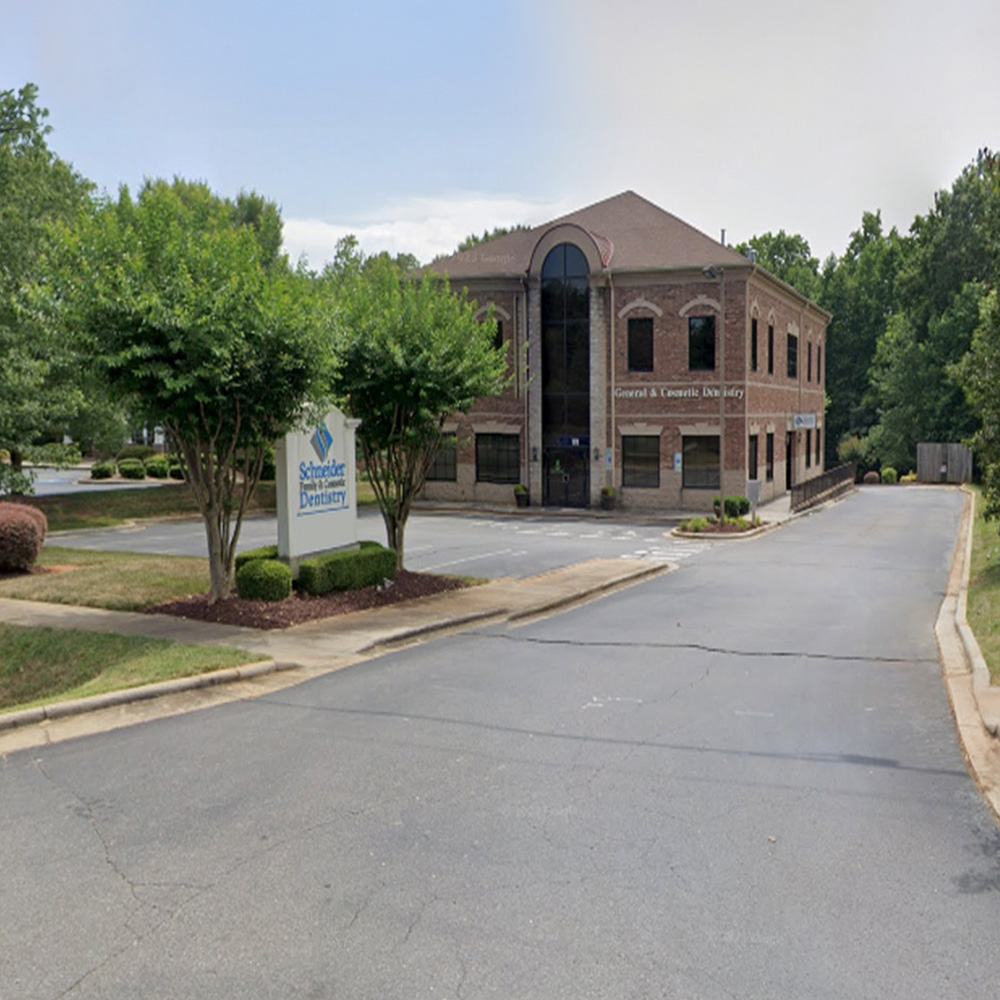
Ready to schedule your next dental appointment or have questions about our services?
Contacting Schneider Family & Cosmetic Dentistry is easy! Our friendly staff is available to assist you with scheduling appointments, answering inquiries about treatment options, and addressing any concerns you may have. Whether you prefer to give us a call, send us an email, or fill out our convenient online contact form, we're here to help. Don't wait to take the first step towards achieving the smile of your dreams – reach out to us today and discover the difference personalized dental care can make.