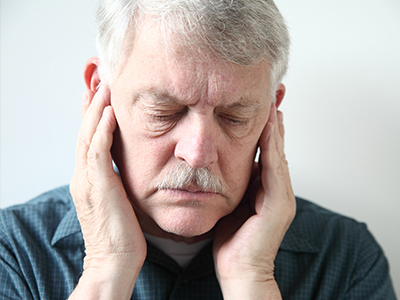
According to the National Institute of Dental and Craniofacial Research (NIDCR), temporomandibular joint disorders (TMJ or TMD) are a leading cause of chronic facial pain and jaw dysfunction. Millions of people in the United States experience some form of TMJ difficulty during their lifetime, with symptoms that range from mild and intermittent to persistent and debilitating. Understanding the mechanics of the jaw and the range of available therapies can help patients find relief and restore comfortable function.
The temporomandibular joint is actually two complex joints—one on each side—that connect the lower jaw (mandible) to the temporal bone of the skull. Each joint is surrounded by muscles, ligaments and a soft, shock-absorbing disc that allows the jaw to hinge, glide and rotate. These coordinated movements make chewing, speaking and facial expressions possible.
What makes the TMJ particularly intricate is the combination of hinge and sliding motions it performs in a very small, highly loaded space. Because the joint must handle forces from chewing and clenching while remaining flexible for speech and expression, it is vulnerable to a range of mechanical and biological stresses.
When any part of this system—teeth alignment, muscle balance, the disc, or the joint surfaces—becomes compromised, patients can experience pain, limited movement, or unusual noises like clicking or popping. Early recognition of changes in function or comfort is important to prevent long-term compensation patterns and related pain in the head, neck, and shoulders.
TMJ disorders do not look the same in every person. Some people notice only occasional discomfort, while others may have ongoing pain that affects daily activities. Typical symptoms include jaw pain or tenderness, difficulty opening or closing the mouth, and clicking or grating sensations during movement.
Symptoms can also extend beyond the jaw. Many patients report headaches, ear-related complaints such as fullness or ringing (tinnitus), neck and shoulder tension, and even a sense of dizziness. Because these signs overlap with other conditions, a careful clinical assessment is essential to identify the TMJ as the source.
It’s also important to note that symptom patterns can change over time. A problem that begins as muscle soreness after stress or poor sleep may progress to persistent joint pain if contributing factors—like chronic teeth grinding—are not addressed. Monitoring symptoms and seeking evaluation when they interfere with comfort or function is recommended.
TMJ disorders are often the result of multiple interacting factors rather than a single identifiable cause. Repetitive behaviors such as bruxism (teeth grinding or clenching), chronic gum chewing, or prolonged jaw postures can place excessive strain on muscles and joint structures. Over time this strain may lead to muscle fatigue, inflammation, or displacement of the joint disc.
Trauma to the jaw or head, such as a direct blow or whiplash injury, can also disrupt the normal alignment and function of the joint. Systemic conditions like osteoarthritis or rheumatoid arthritis can affect the joint surfaces themselves and contribute to degenerative changes that alter how the joint moves.
Stress and sleep quality play surprisingly significant roles as well. Psychological stress can increase muscle tension and parafunctional habits, and poor sleep patterns may worsen bruxism. Because multiple factors interact, a comprehensive evaluation typically examines behavior, occlusion, joint health and broader musculoskeletal function.
A thoughtful assessment for TMJ disorders begins with a detailed history and a careful clinical exam. During the visit, the clinician will ask about the onset, frequency and triggers of symptoms, as well as habits like grinding, chewing gum, or jaw clenching. The physical exam evaluates jaw movement, range of motion, joint sounds, and muscle tenderness.
When indicated, imaging studies can provide additional information. Traditional X-rays, panoramic radiographs, and advanced imaging such as cone-beam computed tomography (CBCT) or magnetic resonance imaging (MRI) can reveal joint structure, disc position and bony changes. These tools help differentiate muscular problems from internal joint derangements or degenerative disease.
Because TMJ disorders can be related to dental alignment and bite relationships, occlusal analysis and a review of prior dental work may also be part of the evaluation. When a condition is complex or extends beyond dental care, coordination with medical specialists—such as an oral and maxillofacial surgeon, ear-nose-throat physician, or pain specialist—may be recommended.
Treatment for TMJ disorders typically follows a stepwise approach, starting with conservative strategies that focus on symptom relief and restoring healthy function. Simple self-care measures—like eating softer foods for a short time, avoiding wide yawning and gum chewing, using ice or moist heat, and practicing relaxation techniques—can reduce strain and support recovery.
Custom oral appliances, such as stabilization splints or night guards, are commonly used to reduce harmful tooth contacts and lessen muscle overactivity. These devices can protect teeth from grinding and help redistribute forces during jaw movement. Physical therapy techniques, including guided stretching, posture correction and manual muscle work, often complement appliance therapy.
For persistent or structural problems, targeted medical treatments may be considered. Options include corticosteroid or hyaluronic acid injections, carefully planned occlusal adjustments, orthodontic or prosthodontic interventions to improve bite relationships, and, in selected cases, surgical procedures. Surgery is reserved for situations that do not respond to conservative care and where imaging shows a correctable structural issue.
At Schneider Family & Cosmetic Dentistry, our team approaches TMJ disorders with a focus on individualized evaluation and conservative, evidence-based care. We integrate clinical assessment, appropriate imaging and collaborative treatment planning to help patients regain comfortable jaw function while minimizing unnecessary interventions.
In summary, TMJ disorders encompass a range of conditions that affect the jaw’s joints and muscles. Early recognition, a comprehensive clinical evaluation, and a measured approach that emphasizes conservative care can lead to meaningful improvements for many patients. If you have recurring jaw pain, persistent clicking, or changes in bite or movement that concern you, please contact us for more information and to discuss your options.


Temporomandibular joint disorders, often called TMJ disorders or TMD, refer to a group of conditions that affect the jaw joints and the muscles that control jaw movement. These disorders can interfere with the joint’s ability to hinge, glide and rotate, which are the motions required for chewing, speaking and facial expression. Symptoms range from mild discomfort and intermittent clicking to persistent pain and limited mouth opening.
Because the TMJ works in a small, highly loaded space and combines hinge and sliding movements, even small disruptions in the disc, joint surfaces, muscle balance or dental alignment can alter function. Over time, untreated dysfunction may lead to compensatory muscle tension and referred pain in the head, neck and shoulders. Early recognition and evaluation improve the chance of restoring comfortable, normal jaw function.
Common signs that warrant evaluation include jaw pain or tenderness, difficulty opening or closing the mouth, and audible noises such as clicking, popping or grinding during movement. Patients often report headaches, ear fullness or ringing, neck and shoulder tension, or a feeling that the bite has changed. Symptoms that interfere with eating, speaking or sleep should be assessed promptly.
Because TMJ-related complaints overlap with other conditions like ear disease or cervical spine problems, a careful history and physical exam are important to identify the jaw joint as the source. Patterns that worsen with chewing, stress, or poor sleep hygiene can suggest contributing parafunctional habits such as bruxism. Monitoring symptom progression helps clinicians plan appropriate intervention before long-term compensation develops.
TMJ disorders are typically multifactorial, arising from the interaction of behaviors, anatomy and medical conditions. Repetitive activities such as teeth grinding or clenching, prolonged gum chewing and sustained jaw postures can overload the muscles and joint structures, while trauma like a jaw injury or whiplash can directly alter alignment. Systemic joint conditions such as osteoarthritis or rheumatoid arthritis may also affect the joint surfaces and lead to degenerative change.
Emotional stress and sleep disruption can amplify muscle tension and parafunctional habits, increasing the risk of chronic symptoms. Dental factors, including an unstable bite or poorly fitting restorations, may contribute in some cases but are rarely the sole cause. A comprehensive assessment evaluates behavior, occlusion, joint health and broader musculoskeletal function to identify the combination of contributors for each patient.
An evaluation begins with a focused history to clarify symptom onset, frequency, triggers and habits such as grinding or clenching. The clinical exam assesses jaw range of motion, joint noises, muscle tenderness and the quality of opening and closing movements, as well as a brief dental and occlusal review. Identifying patterns of pain referral to the head, neck and shoulders helps separate muscular from internal joint problems.
When warranted, imaging such as panoramic radiographs, cone-beam computed tomography (CBCT) or magnetic resonance imaging (MRI) can add diagnostic detail about bony changes and disc position. Collaboration with medical specialists is considered for complex cases or when symptoms extend beyond dental care. At Schneider Family & Cosmetic Dentistry in Mooresville, clinicians integrate clinical findings and appropriate imaging to develop individualized care plans.
Imaging complements the clinical exam by revealing structural information that cannot be determined by palpation alone. Panoramic X-rays and CBCT scans show bony anatomy, joint space and degenerative change, while MRI is the preferred method for evaluating soft tissues such as the articular disc and surrounding inflammation. The choice of imaging depends on the suspected issue and how the result will influence treatment planning.
Imaging is not always required for initial conservative care because many muscular or mild joint issues improve with noninvasive measures. When structural derangement, progressive pain, or limited function persists despite conservative therapy, targeted imaging helps confirm diagnoses and guide advanced interventions. Clinicians weigh diagnostic benefit against cost and patient comfort when recommending studies.
Initial management emphasizes noninvasive, reversible strategies that reduce pain and restore function. Self-care measures include eating softer foods temporarily, avoiding gum and wide yawning, applying ice or moist heat, practicing relaxation and sleep hygiene, and learning gentle jaw stretching and posture correction. These steps often reduce muscle strain and create a foundation for further therapy.
Custom oral appliances such as stabilization splints or night guards are commonly used to protect teeth from grinding and to decrease muscle hyperactivity. Physical therapy techniques, including manual therapy, guided stretching and neuromuscular re-education, frequently complement appliance therapy. A stepwise approach allows clinicians to monitor response and escalate care only when necessary.
Oral appliances designed for TMJ problems aim to reduce harmful tooth contacts, redistribute occlusal forces and decrease excessive muscle activity during sleep and daytime parafunction. A well-fitted stabilization splint can protect enamel from wear, reduce episodes of grinding, and create a more balanced jaw position that relieves muscle tension. Appliances are custom-made and adjusted to the patient’s bite to maximize comfort and therapeutic effect.
While many patients experience symptom relief with a properly designed appliance, it is not a universal solution and works best as part of a comprehensive plan that addresses behavior, posture and stress management. Regular follow-up is important to monitor fit, effectiveness and any need for modification. Appliances are reversible and conservative, making them a preferred early option in many treatment algorithms.
Physical therapy is indicated when muscular imbalance, limited mobility or postural contributors play a significant role in the patient’s symptoms. A trained therapist can provide manual techniques, therapeutic exercises, posture training and ergonomic advice to reduce load on the TMJ and surrounding structures. Combining physical therapy with dental strategies such as appliances often produces better outcomes for patients with combined muscle and joint dysfunction.
Multidisciplinary care becomes important for complex or persistent cases that do not respond to initial conservative measures. Collaboration with oral and maxillofacial surgeons, medical pain specialists, ENT physicians or sleep medicine providers may be needed when symptoms involve structural derangement, systemic disease, or significant sleep-related issues. Coordinated care ensures that all contributing factors are addressed in a patient-specific plan.
Surgery is reserved for a small subset of patients with TMJ disorders when conservative and minimally invasive options have failed and imaging demonstrates a correctable structural problem. Indications can include persistent internal derangement with disc displacement that causes disabling limitation, significant degenerative joint disease, or mechanical issues that cannot be managed nonoperatively. Surgical decisions are individualized and undertaken only after thorough evaluation and discussion of risks and benefits.
Minimally invasive procedures such as arthrocentesis or arthroscopy may be appropriate before open joint surgery and can relieve pain or improve mobility in selected cases. When open surgery is indicated, patients are typically referred to an experienced oral and maxillofacial surgeon and care is coordinated between dental and medical teams. The goal of surgical intervention is to restore function and reduce pain when less invasive therapies are insufficient.
Prevention and risk reduction focus on modifying behaviors that place excessive load on the jaw and improving overall musculoskeletal health. Practical steps include avoiding hard or chewy foods, limiting gum chewing, practicing stress-reduction techniques, maintaining good sleep habits, and addressing parafunctional habits like teeth grinding with a custom night guard when indicated. Attention to neck and shoulder posture during work and leisure activities can also decrease strain on the jaw.
Regular dental checkups help detect parafunctional wear and occlusal changes that may contribute to symptoms, and early consultation for new or persistent jaw pain allows clinicians to intervene before compensation patterns become chronic. For patients seeking evaluation or personalized treatment planning, the office of Schneider Family & Cosmetic Dentistry offers thorough assessments and conservative, evidence-based care tailored to each person’s needs.

Ready to schedule your next dental appointment or have questions about our services?
Contacting Schneider Family & Cosmetic Dentistry is easy! Our friendly staff is available to assist you with scheduling appointments, answering inquiries about treatment options, and addressing any concerns you may have. Whether you prefer to give us a call, send us an email, or fill out our convenient online contact form, we're here to help. Don't wait to take the first step towards achieving the smile of your dreams – reach out to us today and discover the difference personalized dental care can make.