A confident smile opens doors — socially, professionally, and personally. When the front teeth don’t look the way you want because of stains, chips, gaps, or minor alignment issues, porcelain veneers offer a refined, durable option to restore balance and beauty. Thoughtfully designed veneers can transform the way light interacts with your teeth, producing a natural appearance that harmonizes with your facial features and smile goals. At Schneider Family & Cosmetic Dentistry, we approach veneers as a blend of art and precision to achieve results that look effortless and real.
Veneers are thin shells crafted to cover the front surface of teeth, reshaping and refining their color, contour, and spacing. Because they’re bonded directly to the enamel, veneers can correct a range of cosmetic concerns without replacing the entire tooth. The result is a smoother, more uniform smile that still reflects the individual character of your teeth.
Beyond appearance, properly placed veneers contribute to the harmony of your bite by restoring the visual proportion and contact relationships between front teeth. When designed with both aesthetics and function in mind, veneers can improve the way your teeth meet and how your smile rests at repose.
Every smile is unique, so veneers are customized for shade, translucency, and surface texture. That customization helps veneers mimic natural enamel so closely that light behaves the same way it does with healthy teeth — producing depth and vitality rather than a flat, artificial look.
Porcelain used for veneers is engineered to be both lifelike and resilient. Advances in ceramic materials allow technicians to layer color and translucency in ways that replicate the microscopic variations of real teeth. This means a veneer can match neighboring teeth while correcting imperfections in a seamless way.
Because porcelain resists stains and reflects light similarly to enamel, it maintains a bright, natural appearance over time when cared for correctly. The surface finish and glaze applied in the lab also help the veneer blend with adjacent teeth and resist discoloration from foods and beverages.
Porcelain can be shaped very thinly without sacrificing strength, allowing clinicians to preserve as much natural tooth structure as possible. Less invasive preparation typically leads to better long-term oral health while still delivering a significant aesthetic improvement.
Good candidates for veneers typically have healthy gums and teeth that are free from active decay or significant structural damage. Veneers are best suited for correcting surface problems — such as persistent staining, small chips, uneven edges, or gaps — and for patients seeking a conservative cosmetic option compared with full crowns.
During an evaluation, we consider your overall oral health, bite alignment, and cosmetic objectives. In some cases, simpler alternatives like whitening or bonding may achieve the desired result; in others, orthodontic treatment or restorative care may be recommended first. The goal of the evaluation is to identify which approach will produce a durable, naturally balanced outcome for your unique smile.
We’ll also discuss realistic expectations about color, shape, and longevity so you understand what veneers can and cannot change. An informed decision ensures you’re comfortable with the process and satisfied with the final appearance.
The process begins with a detailed consultation where we review your concerns, take photographs, and evaluate tooth structure and gum health. Digital imaging and mock-ups may be used to preview potential results, which helps guide the design of the veneers so the final shape and shade meet your goals.
We also address any preparatory needs, such as treating decay or balancing bite issues, before moving forward. Clear communication at this stage sets the foundation for a predictable and aesthetic outcome.
To create space for the ultra-thin porcelain, a small amount of enamel is shaped from the fronts of the involved teeth. The extent of preparation varies by case and aims to preserve as much natural tooth as possible while ensuring the veneers sit flush and look natural.
Precise impressions or digital scans are then made to capture tooth contours. These records are sent to the dental laboratory, where skilled technicians fabricate veneers that match the planned size, color, and texture. Temporary coverings protect the prepared teeth while the permanent veneers are being crafted.
When the laboratory returns the finished veneers, each piece is carefully evaluated for fit, color, and shape. Minor adjustments can be made at this stage so the veneers align perfectly with adjacent teeth and soft tissues. Patient approval is an important part of this step.
Once everything meets our standards, the teeth are cleaned and prepared for bonding. A strong, tooth-colored resin secures the veneers in place, and the margins are refined to ensure a smooth transition between porcelain and enamel. After final polishing, the veneers are integrated into the mouth and assessed for comfort and function.
Veneers are low-maintenance but benefit from routine care. Daily brushing with a non-abrasive toothpaste, regular flossing, and professional cleanings help preserve both oral health and the appearance of the porcelain. Keeping gums healthy is an important part of maintaining the overall look of your smile.
Avoiding habits like biting fingernails, chewing ice, or opening packages with your teeth reduces the risk of damaging a veneer. If you play contact sports or grind your teeth at night, protective measures such as a mouthguard or night guard can protect your investment and lessen the chance of accidental fractures.
If you ever notice a change in the feel, fit, or color of a veneer, it’s important to schedule an evaluation. Early attention to concerns helps maintain function and prevents more extensive restorative work later on.
In summary, porcelain veneers offer a refined, conservative way to address common cosmetic concerns while preserving natural tooth structure. When designed and placed with care, they deliver a natural-looking smile that complements your facial features and daily life. If you’d like to learn whether veneers are a good fit for your smile, contact us for more information and a personalized consultation.


Porcelain veneers are thin, custom-made shells that cover the front surface of teeth to improve shape, color and alignment. They are bonded directly to enamel using durable dental resin that creates a secure interface between tooth and restoration. Because veneers replace only the visible front surface, they can preserve much of the natural tooth while correcting aesthetic concerns.
Modern porcelain is layered to reproduce the light-reflecting properties of natural enamel and to provide lifelike depth. Technicians and clinicians work together to match translucency, texture and shade so veneers blend with surrounding teeth. When planned for both appearance and function, veneers can produce a natural-looking smile that integrates with facial features.
Veneers differ from crowns in that veneers cover only the facial aspect of a tooth while crowns encase the entire visible structure. Crowns are typically used when a tooth has extensive damage or needs structural support, whereas veneers focus on cosmetic enhancement. Composite bonding is another option that can reshape teeth in a single visit but usually lacks the translucency and long-term stability of porcelain.
The choice among veneers, crowns and bonding depends on tooth health, amount of enamel, and long-term functional needs. Your dentist evaluates structural concerns, bite forces and esthetic goals to recommend the most appropriate restoration. Conservative options are preferred when possible to maintain natural tooth structure and oral health.
Good candidates for veneers generally have healthy gums, sound underlying tooth structure and sufficient enamel for bonding. Active decay, untreated gum disease or significant tooth fractures must be addressed before cosmetic veneer treatment can proceed. Patients with severe bite problems or heavy tooth grinding may require additional therapy such as orthodontics or night guards to protect restorations.
Veneers are ideal for correcting persistent staining, small chips, minor spacing issues and uneven tooth contours when conservative change is desired. During an evaluation your cosmetic goals, oral health and functional considerations are reviewed to determine whether veneers or alternative treatments are best. A personalized treatment plan helps set realistic expectations about appearance and long-term maintenance.
The veneer process begins with a consultation that includes a clinical exam, photographs and digital imaging to plan shape and shade. At Schneider Family & Cosmetic Dentistry in Mooresville, we use digital mock-ups and patient input to refine the expected result before any irreversible steps. This planning phase identifies preparatory needs such as treating decay, reshaping teeth or correcting gum contours.
Tooth preparation involves removing a minimal amount of enamel to create space for the thin porcelain and ensure a natural emergence profile. Precise impressions or digital scans are taken and forwarded to a dental laboratory where veneers are crafted to the planned specifications. After a trial fit, veneers are bonded permanently and margins polished to achieve a smooth transition from porcelain to enamel.
Veneers are generally considered an irreversible treatment because some natural enamel is removed during preparation to accommodate the restoration. Minimally invasive or "no-prep" veneer systems exist but are suitable only for select cases and still require careful evaluation. Understanding the long-term commitment and discussing conservative alternatives is an important part of informed consent before proceeding.
Once bonded, veneers can be replaced if damaged or cosmetically altered, but the underlying tooth will usually have been modified. Regular dental follow-up allows early detection of margin issues, cracks or wear so restorative needs can be addressed while preserving oral health. Your dentist will explain the expected changes to tooth structure and help you decide the option that best balances aesthetics with preservation.
Porcelain veneers are durable restorations that can last many years when fabricated from high-quality ceramics and properly maintained. The longevity of veneers depends on factors such as oral hygiene, bite forces, material selection and how well the margins are cared for. Minimizing habits like chewing hard objects and wearing a protective night guard when needed helps extend the service life of veneers.
Routine dental examinations and professional cleanings let clinicians monitor veneer integrity and address small issues before they become larger problems. When a veneer reaches the end of its useful life it can be replaced, provided the tooth remains healthy and there is adequate remaining structure. A conservative maintenance plan tailored to your needs supports long-term performance and appearance.
Caring for veneers centers on excellent daily oral hygiene, including brushing with a nonabrasive toothpaste and cleaning between teeth with floss or interdental brushes. Gentle, consistent hygiene prevents plaque accumulation at the margins where porcelain meets enamel and helps maintain gum health. Professional cleanings and periodic evaluations ensure the soft tissues and restorations remain healthy and well adapted.
Avoid using teeth as tools, biting on ice or hard objects, and address parafunctional habits like nail biting or pen chewing to reduce risk of chipping. If you participate in contact sports or have a history of grinding, your dentist can recommend a custom mouthguard or night guard to protect veneers. Report any change in fit, sensitivity or appearance promptly so your dental team can evaluate and intervene if necessary.
Veneers can effectively close small gaps, conceal chips and correct minor alignment issues to create a more uniform smile. They reshape tooth contours and alter perceived spacing without moving teeth as orthodontics would, making them a preferred cosmetic option for selective corrections. For moderate to severe misalignment or bite problems, orthodontic treatment is often recommended before considering veneers to ensure long-term stability.
Careful planning with digital mock-ups and trial restorations helps visualize how veneers will change spacing and proportions. The dentist evaluates occlusion, tooth symmetry and enamel availability to design veneers that achieve a balanced, functional result. Collaboration between the patient, dentist and lab technician supports predictable outcomes that meet aesthetic goals while preserving oral health.
High-quality porcelain used for veneers is resistant to staining and is glazed to mimic the smooth surface of natural enamel. While the porcelain itself tends to resist discoloration, the margins and cement lines require good hygiene to prevent staining at junctions. Routine cleanings and avoiding excessive exposure to staining substances support a long-lasting bright appearance.
Unlike natural teeth, veneers do not respond to bleaching, so color selection is made before fabrication to match the surrounding dentition. If you plan to whiten natural teeth, it is best to complete whitening prior to veneer shade selection to ensure a consistent match. Your dentist will guide shade selection and finishing techniques so restorations blend seamlessly with the rest of your smile.
Properly designed veneers should feel natural and not interfere with speech or basic oral function once the mouth adjusts following placement. A thorough bite assessment during planning ensures occlusion is balanced and that veneers do not create premature contacts that could lead to wear. Minor sensitivity after enamel preparation is common but typically subsides within days to weeks as the tooth adapts.
If bite changes or persistent discomfort occur after placement, adjustments can often be made to restore comfortable function. Periodic evaluations let the dental team confirm that veneers are functioning well within the bite and that surrounding tissues remain healthy. Communicating changes in comfort or function promptly helps maintain both the restoration and your overall oral health.
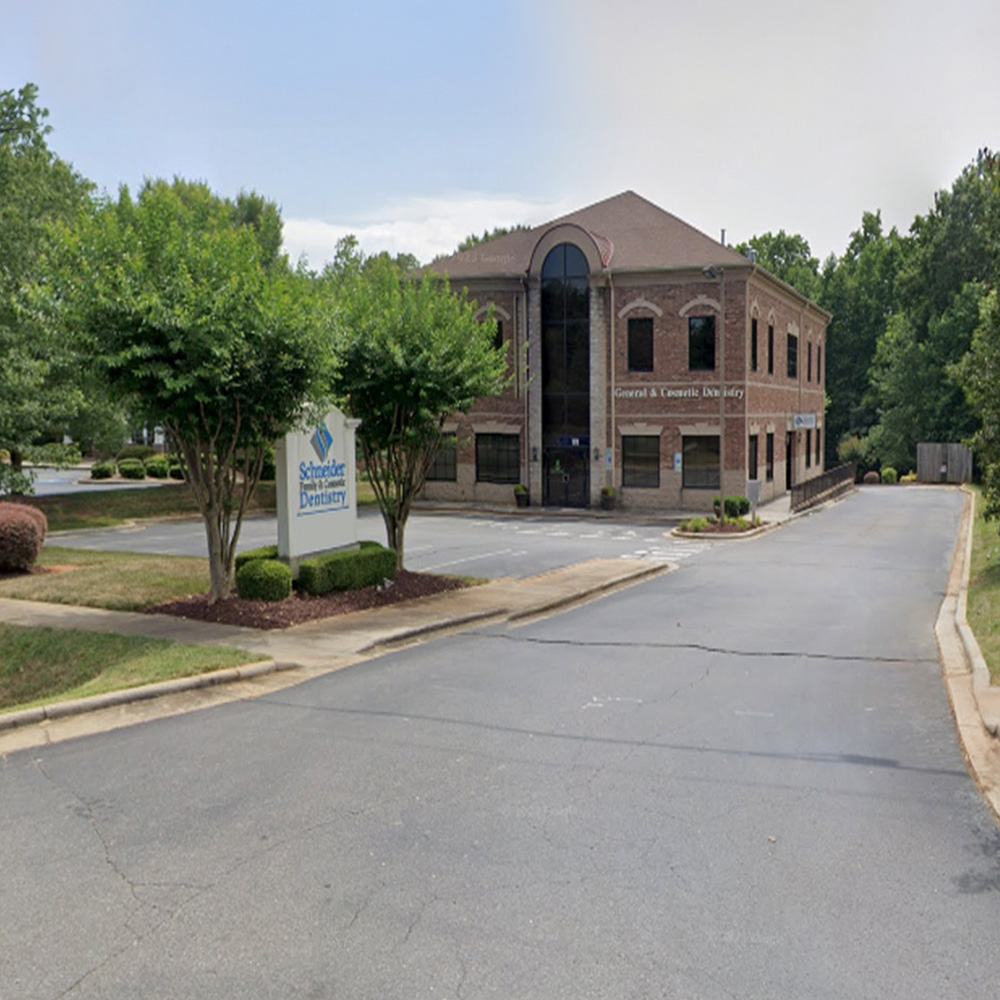
Ready to schedule your next dental appointment or have questions about our services?
Contacting Schneider Family & Cosmetic Dentistry is easy! Our friendly staff is available to assist you with scheduling appointments, answering inquiries about treatment options, and addressing any concerns you may have. Whether you prefer to give us a call, send us an email, or fill out our convenient online contact form, we're here to help. Don't wait to take the first step towards achieving the smile of your dreams – reach out to us today and discover the difference personalized dental care can make.